Obstructive Summary ONVIF (Open Network Video Interface Forum) is a global standardization initiative that defines common communication protocols for IP-based security products — cameras, recorders, video management software, and access control devices. An ONVIF-compliant camera can connect to any ONVIF-compliant NVR or VMS regardless of brand, eliminating the vendor lock-in that forces buyers to purchase
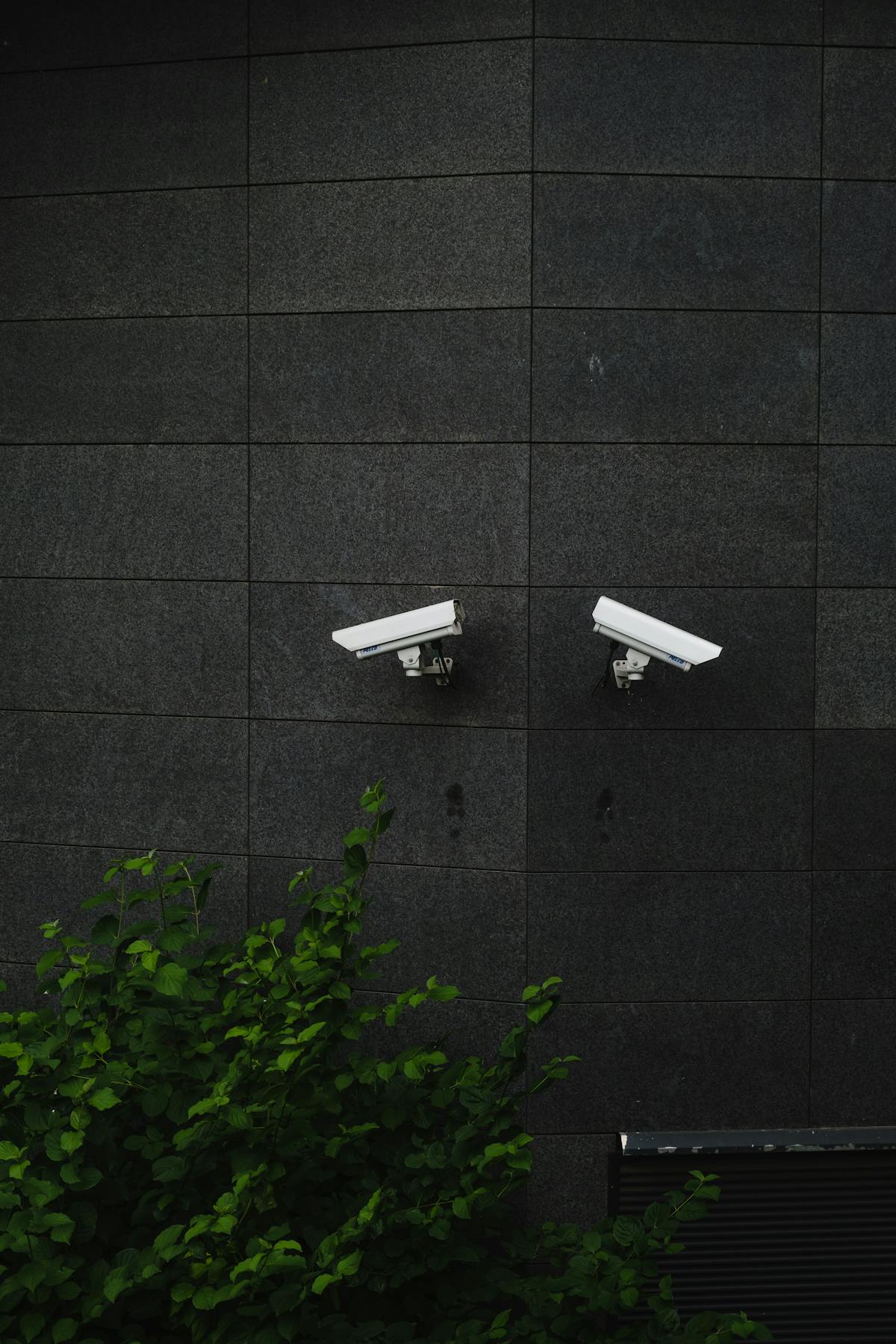
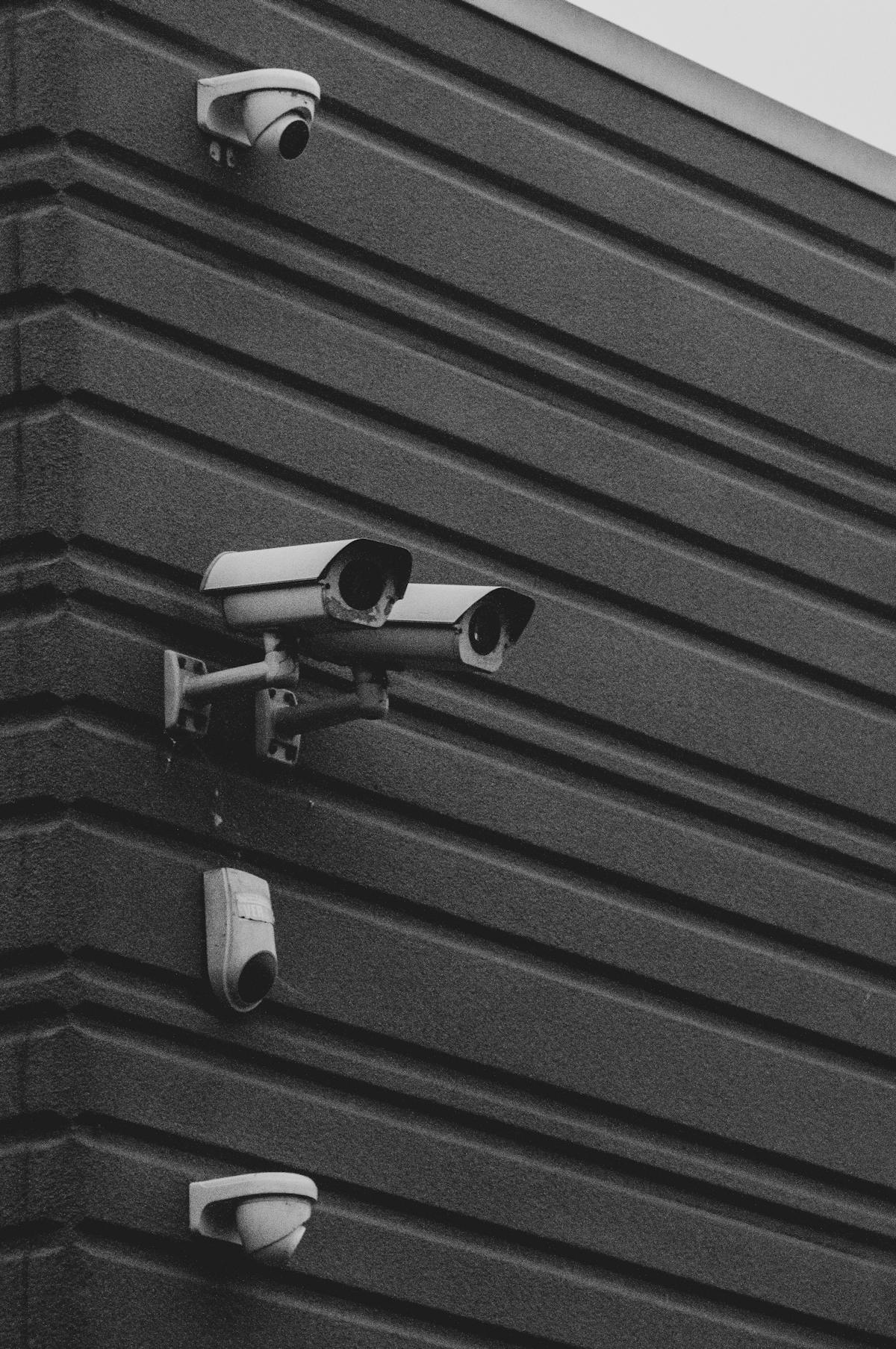
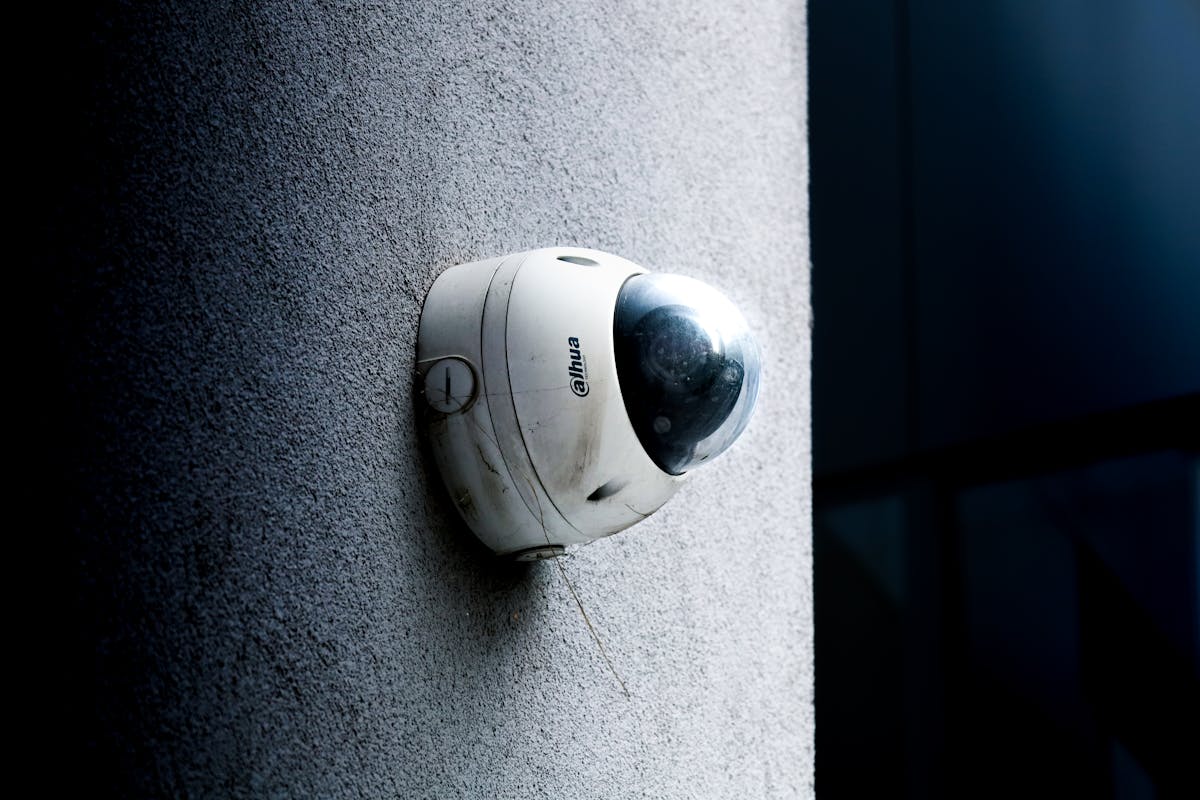
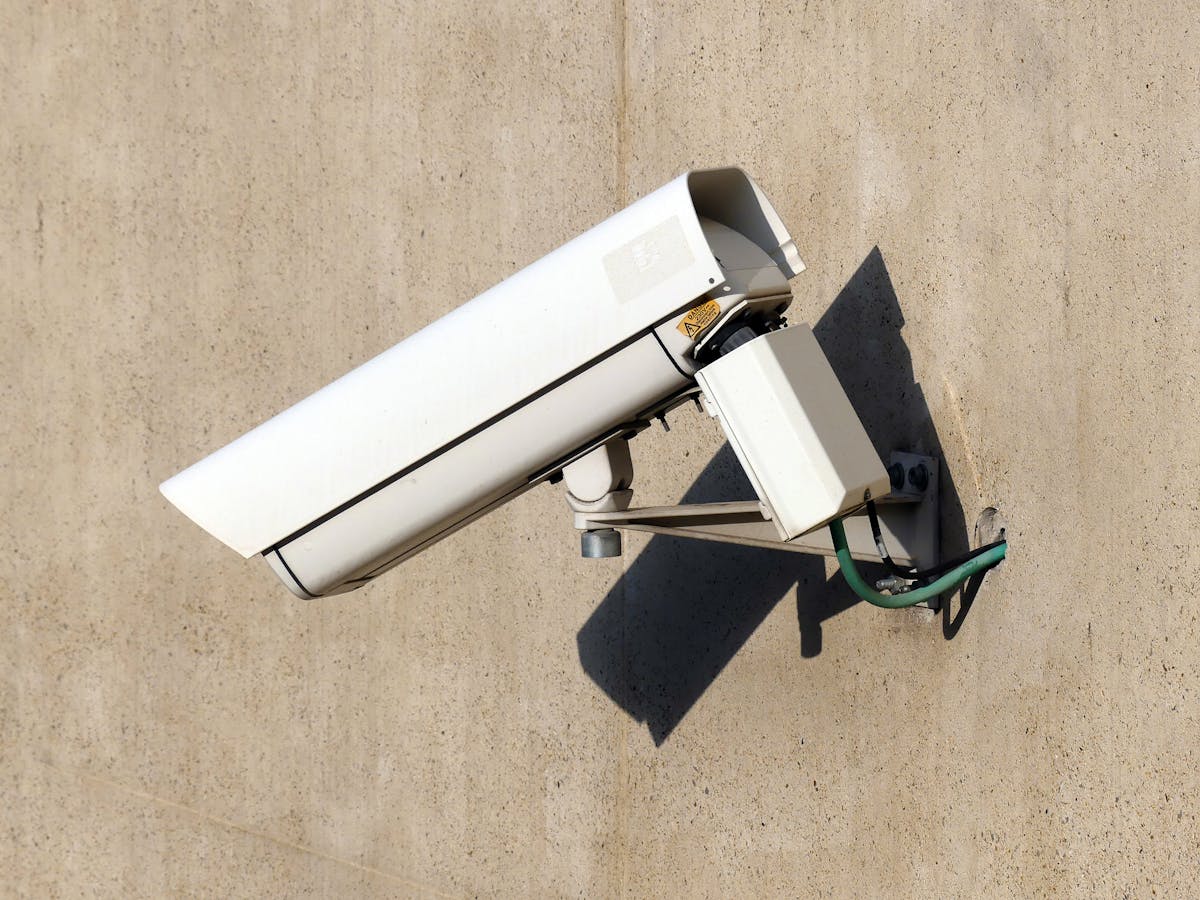
Obstructive Summary Six primary security camera form factors dominate the market: dome, bullet, turret, PTZ, cube, and covert. Each design optimizes for a different combination of field of view, mounting location, vandal resistance, and aesthetic preference. Dome cameras offer discreet 360-degree mounting. Bullet cameras project visible deterrence with long-range IR. Turret cameras provide flexible angle
Obstructive Summary Power over Ethernet (PoE) is a networking standard that delivers both data and electrical power over a single Ethernet cable. For security camera installations, PoE eliminates the need for separate power outlets at every camera location — one Cat5e or Cat6 cable run from a PoE switch or injector provides the camera with
Obstructive Summary A Network Video Recorder (NVR) is a dedicated hardware device that receives, processes, stores, and manages video footage from IP security cameras over a network. Unlike a DVR, which encodes analog video internally, an NVR handles streams that are already digitized and compressed by each camera. This architecture delivers higher resolution, simpler cabling
April 7, 2026
Obstructive Summary Security camera resolution determines how much detail the camera captures in every frame — the higher the resolution, the more pixels available to identify faces, read license plates, and document events. Resolutions range from 720p (1 MP) at the entry level to 4K (8 MP) and beyond at the professional tier. However, higher
April 7, 2026
Obstructive Summary Traditional infrared (IR) night vision illuminates scenes with invisible 850 nm or 940 nm light and produces black-and-white footage. Color night vision uses larger image sensors, wider aperture lenses, advanced signal processing, or supplemental white-light LEDs to capture full-color footage in low-light conditions. Color images provide significantly more identifying detail — clothing color,
Obstructive Summary Motion detection in security cameras works by analyzing changes in the video frame — either through pixel comparison, passive infrared sensing, or AI-powered object classification — and triggering a recording, alert, or automated action when a defined threshold is exceeded. Pixel-based detection compares sequential frames for changes in brightness or color. PIR sensors
April 7, 2026
Obstructive Summary Professional security camera installation follows a predictable sequence: site survey, cable routing, camera mounting, system configuration, and walkthrough. Most residential installations take between 4 and 8 hours depending on the number of cameras and complexity of wiring runs. Knowing each phase in advance removes uncertainty and helps homeowners prepare. This guide breaks down
April 7, 2026
Obstructive Summary Preparing your home for security camera installation requires action at three stages: one week before, the day before, and the morning of the appointment. Proper preparation reduces installation time by up to 30%, prevents scheduling delays, and ensures the installer can work efficiently from arrival to final walkthrough. This guide covers every step
Obstructive Summary Security camera installation takes between 3 and 12 hours for most residential properties, with the average 4-camera system completing in about 4 to 6 hours. The primary time driver is cable routing, which accounts for roughly 50% of total installation labor. System size, building construction, cable path accessibility, and network configuration complexity all