Wireless security camera installation places WiFi-connected cameras at key entry points and sight lines around a property, transmitting video without coaxial or Ethernet video cabling. Most wireless cameras still require a power source — either a plug-in adapter, rechargeable battery, or solar panel — but eliminate the long cable runs that make traditional wired systems
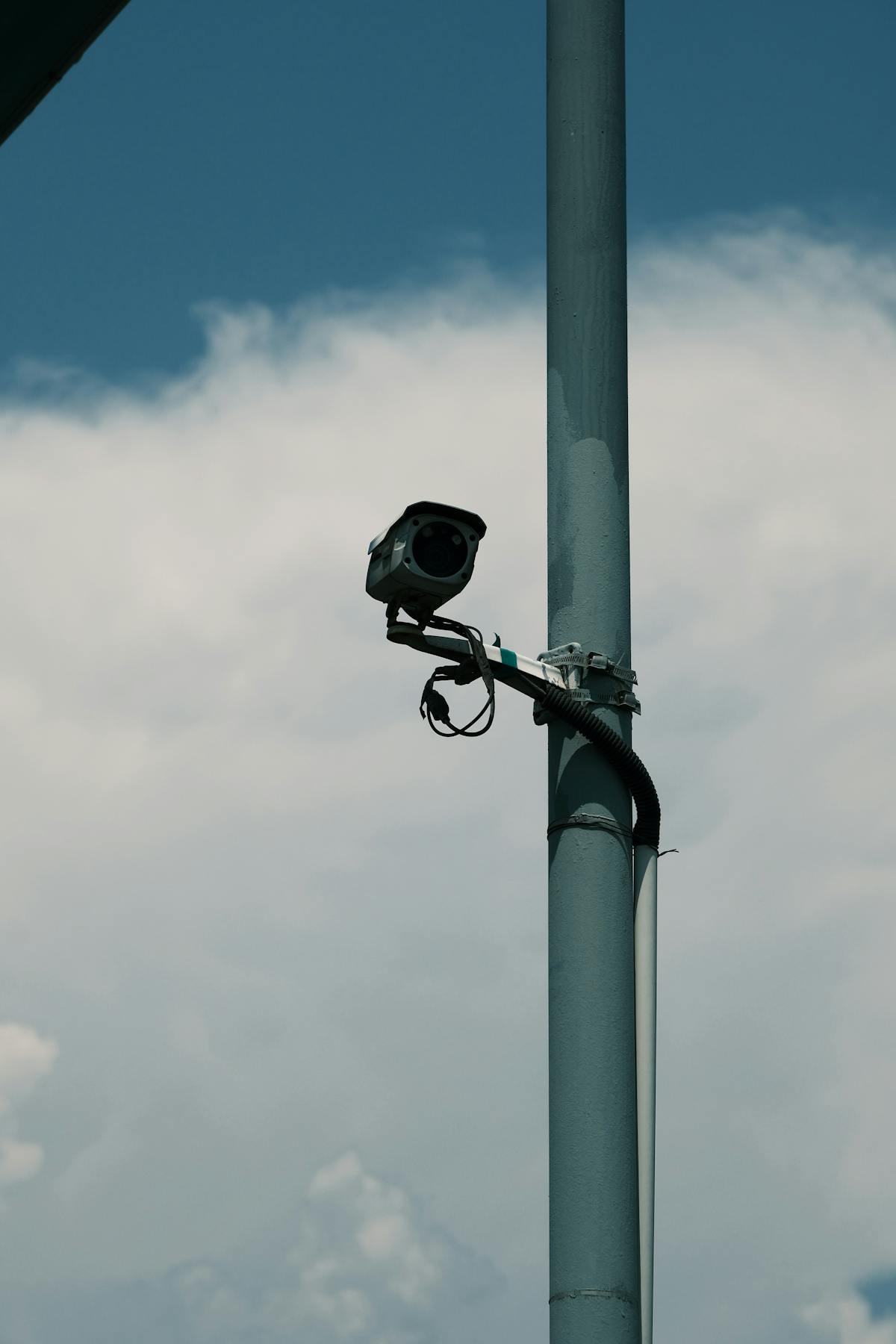
Wired PoE security camera installation delivers both power and high-definition video through a single Ethernet cable per camera, eliminating the signal drops and bandwidth limits that plague wireless systems. PoE camera systems support resolutions up to 4K and beyond at distances up to 328 feet per cable run, making them the preferred choice for large
IP cameras transmit video as digital data over your local network and the internet, replacing the analog signal path of traditional CCTV with a system built for modern resolution, remote access, and intelligent automation. This page covers how IP camera systems work, what types of IP cameras professional installers deploy, the step-by-step installation process, and
A security camera system upgrade replaces outdated cameras, recording hardware, or cabling with current-generation technology that delivers superior features at today’s prices. It could mean upgrading from a basic system to one with artificial intelligence (AI) for motion detection, or from an older CCTV to a modern Internet Protocol (IP) system that allows remote access
Security camera storage and retention policies determine how long your system keeps video footage, where it’s stored, and how it’s protected. Understanding these policies is crucial for compliance, investigation, and peace of mind. Most homeowners keep video for 7–30 days, while businesses often retain footage for 30–90 days or longer depending on industry regulations and
April 7, 2026
Commercial video surveillance systems protect assets, deter crime, provide evidence for investigations, and create a safer environment for employees and customers. A comprehensive commercial system involves strategic camera placement, professional-grade recording hardware, robust cabling or wireless infrastructure, advanced software features, and ongoing monitoring and maintenance. Designing and installing such a system requires expertise that goes