
Neighbor Disputes Over Security Cameras: How to Resolve and Prevent Them

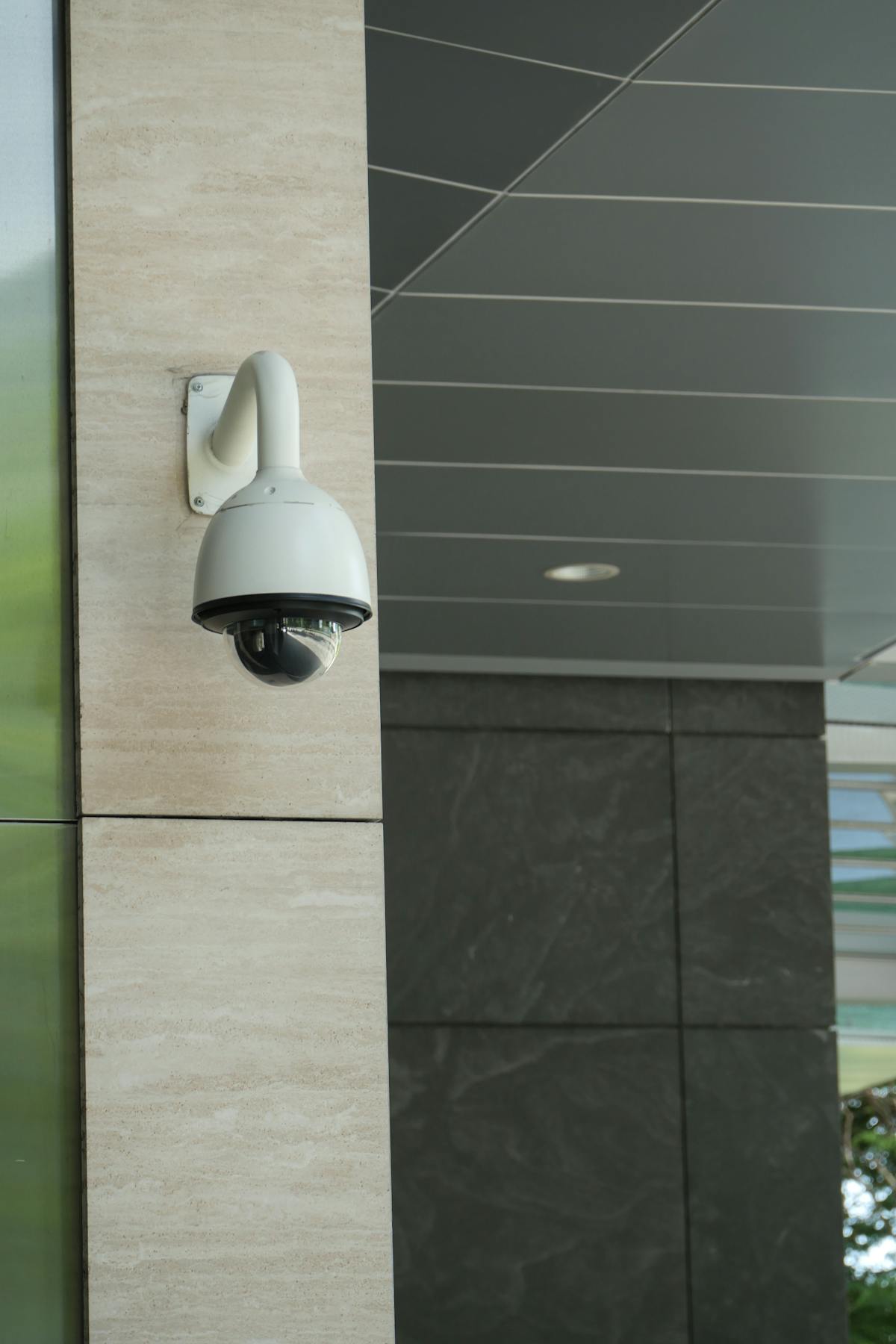
Obstructive Summary Neighbor disputes over security cameras are among the most common property conflicts in residential areas, typically arising from cameras that appear to point into a neighbor’s yard, windows, or private spaces. Most of these disputes stem from misunderstandings about camera angles and field of view rather than actual illegal surveillance. State privacy laws
Read More

Security Cameras and Smart Home Integration: Platforms, Automations, and Setup

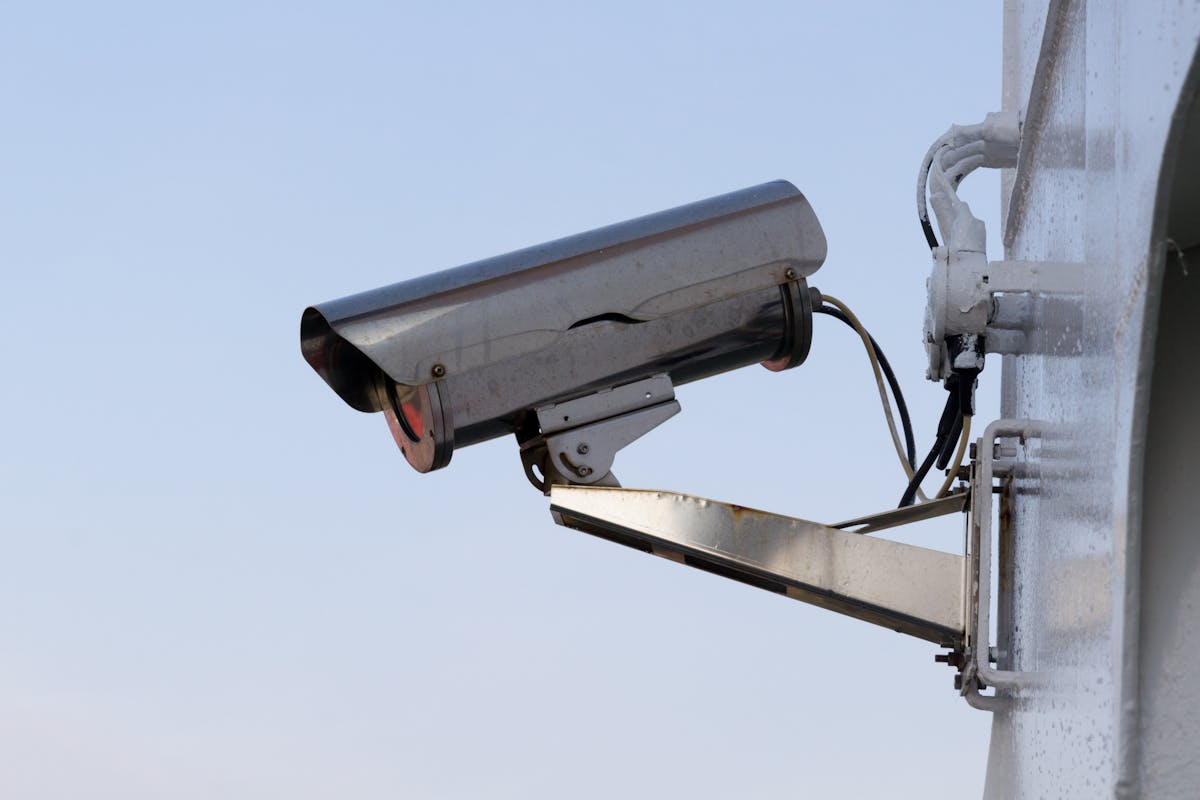
Obstructive Summary Security cameras integrated into a smart home ecosystem deliver capabilities that standalone cameras cannot match — automated responses to detected threats, unified control through a single app or voice assistant, and cross-device triggers that activate lights, locks, and alarms based on camera events. Major smart home platforms including Amazon Alexa, Google Home, Apple

Read More

How to View Security Cameras Remotely from Your Phone: Setup, Methods, and Troubleshooting

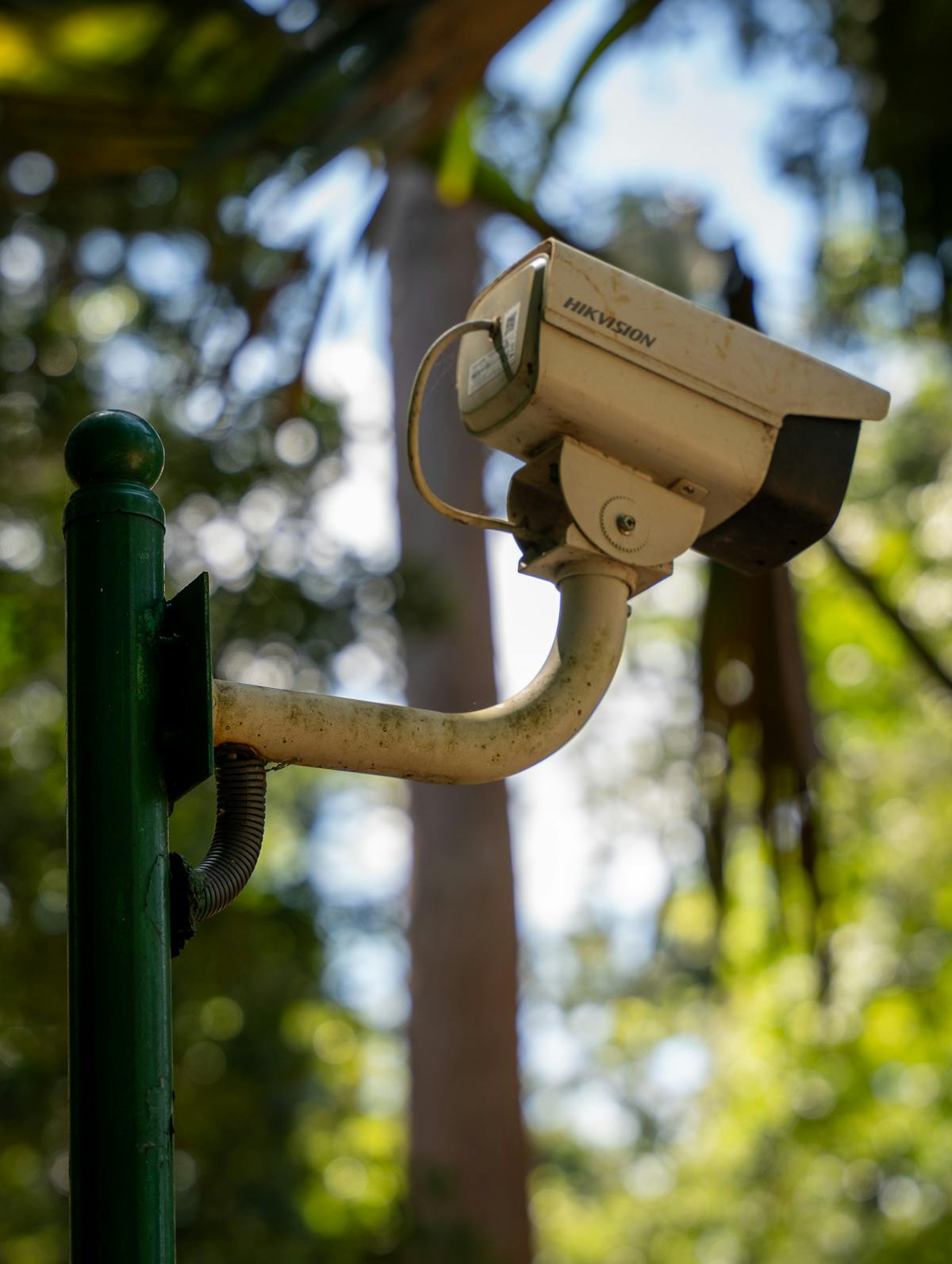
Obstructive Summary Remote viewing allows security camera owners to access live feeds and recorded footage from anywhere using a smartphone, tablet, or computer with an internet connection. The three primary methods for remote access are manufacturer cloud apps (simplest), peer-to-peer (P2P) connections (no port forwarding needed), and network video recorder (NVR) remote access via port

Read More

Security Camera Laws You Need to Know Before Installing

Obstructive Summary Security camera installation in the United States is governed by a patchwork of federal and state laws that dictate where cameras can be placed, whether audio can be recorded, and what notice must be given to those being filmed. Federal law permits video surveillance on your own property without consent, but state wiretapping

Read More

Audio Recording with Security Cameras: State Laws You Must Follow

Obstructive Summary Audio recording through security cameras is legal in most US states under one-party consent rules, but 10 states require all-party consent, making it illegal to record conversations without every participant’s knowledge. Federal wiretapping law sets a one-party consent floor, while individual states impose stricter thresholds that carry criminal penalties for violations. The rules

Read More

Security Camera Privacy Laws for Businesses: What Employers Must Know

Obstructive Summary Business security camera placement is regulated by federal employment law, state privacy statutes, and industry-specific frameworks like HIPAA and PCI-DSS. Employers can legally install cameras in most common areas — lobbies, warehouses, parking lots, and sales floors — but bathrooms, locker rooms, and nursing rooms are universally prohibited. Employee monitoring triggers additional requirements

Read More

HOA Rules for Security Cameras: What Homeowners Need to Know

Obstructive Summary Homeowners associations impose restrictions on security cameras that go beyond state and federal law, controlling everything from camera visibility and mounting locations to approved equipment colors and brands. HOA authority stems from CC&Rs (Covenants, Conditions & Restrictions) that homeowners agree to when purchasing property, giving the association legal power to enforce aesthetic and

Read More

AI-Powered Security Cameras: Features, Benefits, and Use Cases

Obstructive Summary AI-powered security cameras use onboard neural network processors to classify objects, recognize faces, read license plates, and analyze behavior in real time — capabilities that go far beyond the simple pixel-change detection found in traditional cameras. These cameras distinguish between people, vehicles, animals, and irrelevant motion at the edge, before footage ever reaches

Read More

Complete Home Security Checklist: Every Layer Your Property Needs

Obstructive Summary A complete home security system combines four distinct layers: physical barriers, electronic surveillance, smart home integrations, and daily behavioral habits. Physical security — deadbolts, reinforced frames, window locks — forms the foundation that stops most opportunistic break-ins. Electronic security layers like cameras, alarms, and motion sensors detect and document threats that bypass physical

Read More
🇬🇧English🇮🇱עברית
English | עברית