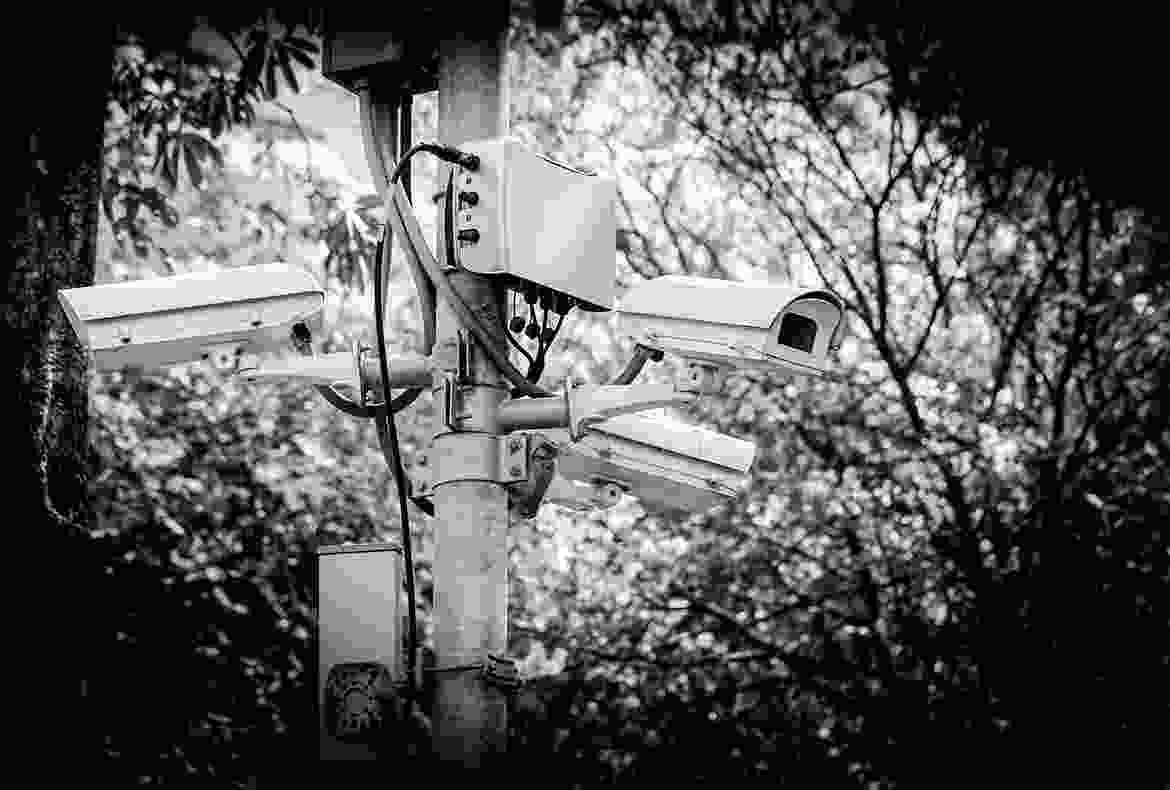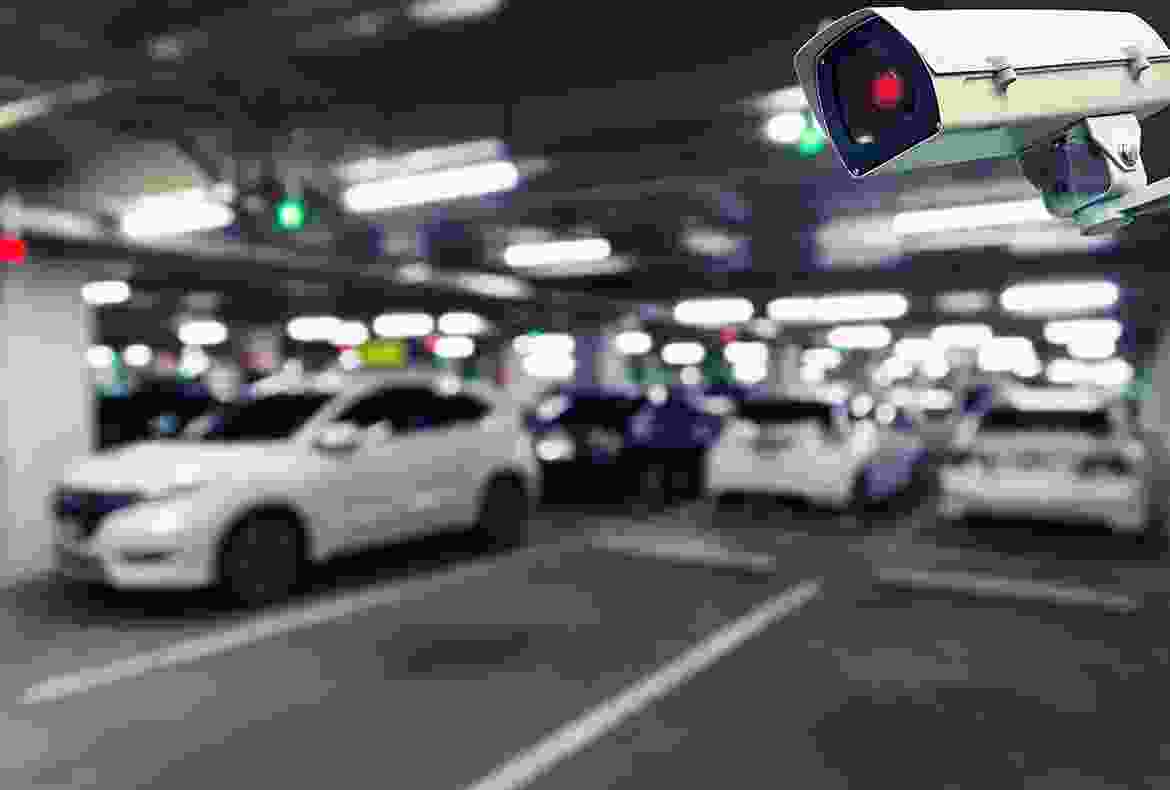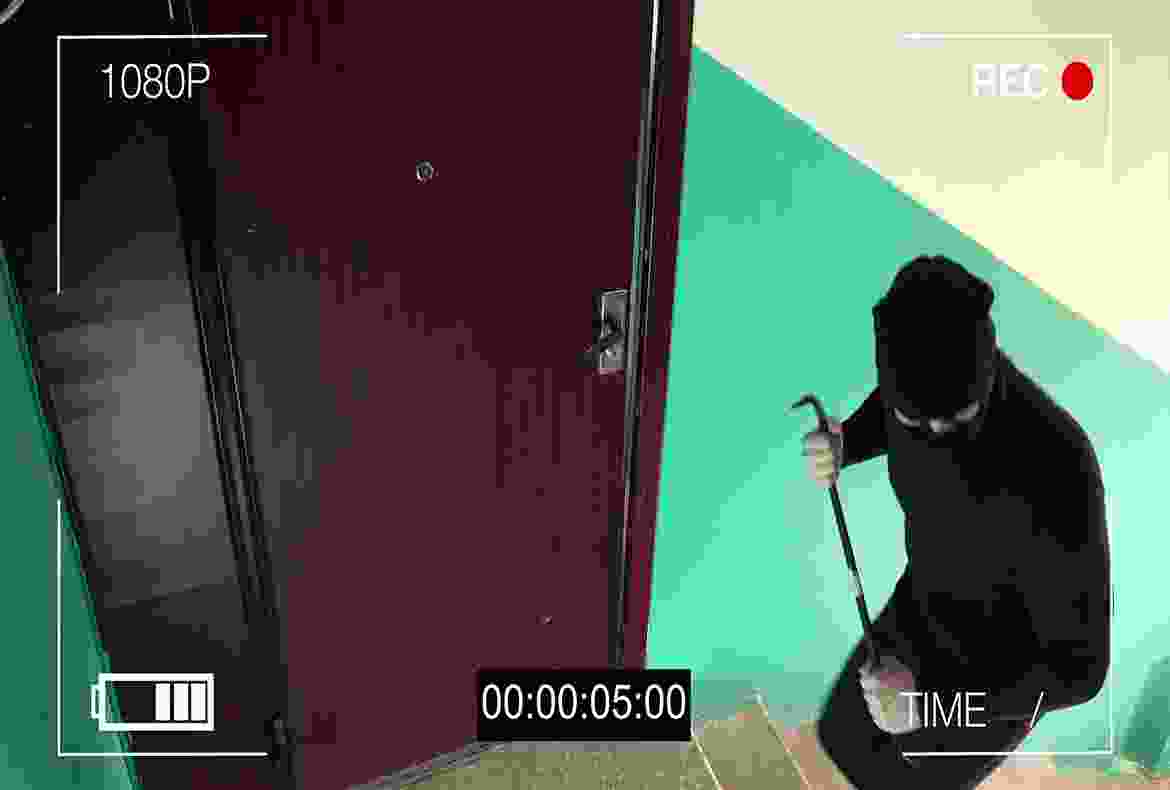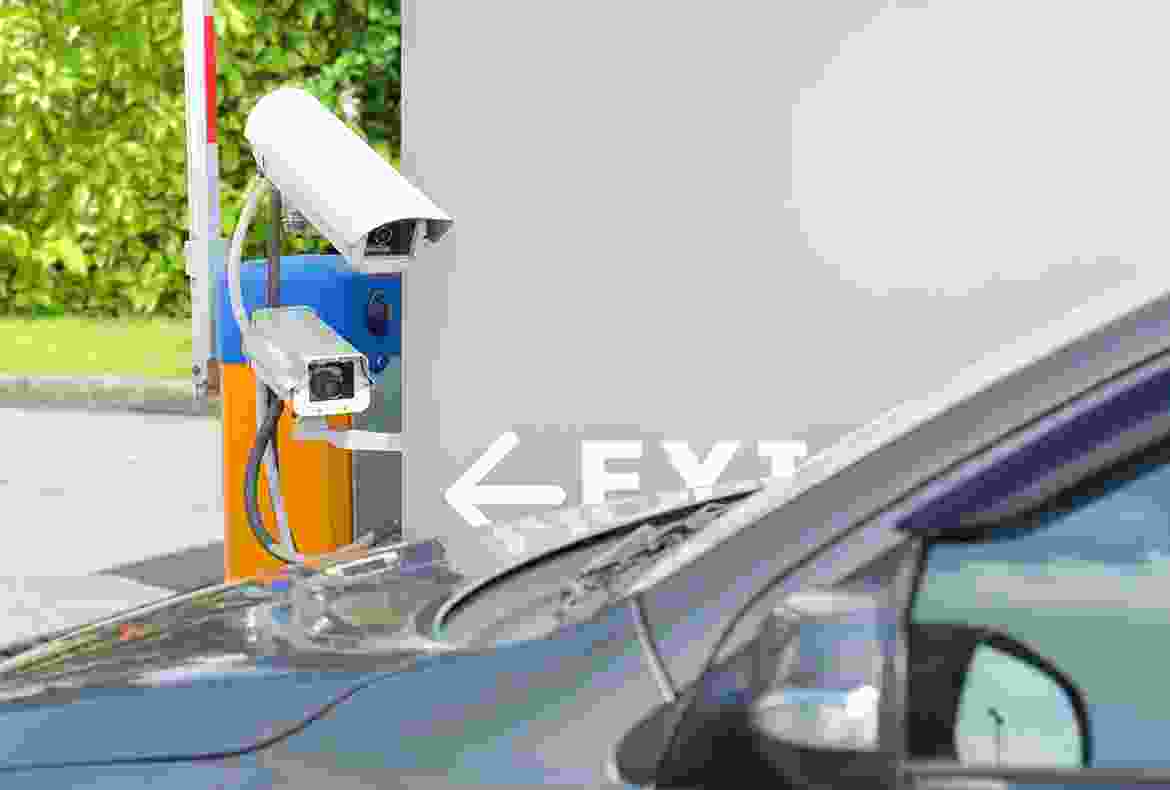
Access control and camera integration links door entry hardware — keycards, fobs, keypads, and biometric readers — directly to security cameras so that every granted or denied entry is captured on video in real time. Integrated systems log each access event alongside time-stamped footage, giving property owners a single dashboard to monitor every controlled door,
Professional video doorbell installation positions a Ring, Nest, Arlo, Eufy, or other smart doorbell at the correct mounting height, wires it to your existing doorbell transformer (or configures battery power), connects it to your home WiFi network, and integrates it with your broader security camera system — with most professional installations costing $75–$200 for hardwired
License plate recognition camera installation positions specialized cameras at vehicle entry and exit points to automatically capture, read, and log every license plate — with dedicated LPR units costing $500–$2,500 per camera and full entry/exit systems running $2,000–$8,000 installed. LPR cameras combine high-shutter-speed imaging, infrared illumination, and optical character recognition software to read plates on
Home security camera installation covers the professional placement of 4–8 surveillance cameras across a residential property’s entry points, perimeter, and interior zones, with most projects costing between $800 and $2,500. Professional installers conduct an in-home site survey, recommend camera types and positions based on the property layout, and configure remote access through a smartphone app
Business security camera installation protects commercial properties from theft, liability claims, and operational blind spots through professionally designed multi-camera surveillance systems. Commercial systems typically range from 4 cameras for small retail shops to 32+ for warehouses, with installation costs between $2,000 and $10,000+ depending on property size and camera type. Professional installers conduct on-site security
Wireless security camera installation places WiFi-connected cameras at key entry points and sight lines around a property, transmitting video without coaxial or Ethernet video cabling. Most wireless cameras still require a power source — either a plug-in adapter, rechargeable battery, or solar panel — but eliminate the long cable runs that make traditional wired systems
Wired PoE security camera installation delivers both power and high-definition video through a single Ethernet cable per camera, eliminating the signal drops and bandwidth limits that plague wireless systems. PoE camera systems support resolutions up to 4K and beyond at distances up to 328 feet per cable run, making them the preferred choice for large
IP cameras transmit video as digital data over your local network and the internet, replacing the analog signal path of traditional CCTV with a system built for modern resolution, remote access, and intelligent automation. This page covers how IP camera systems work, what types of IP cameras professional installers deploy, the step-by-step installation process, and
A security camera system upgrade replaces outdated cameras, recording hardware, or cabling with current-generation technology that delivers superior features at today’s prices. It could mean upgrading from a basic system to one with artificial intelligence (AI) for motion detection, or from an older CCTV to a modern Internet Protocol (IP) system that allows remote access
Security camera storage and retention policies determine how long your system keeps video footage, where it’s stored, and how it’s protected. Understanding these policies is crucial for compliance, investigation, and peace of mind. Most homeowners keep video for 7–30 days, while businesses often retain footage for 30–90 days or longer depending on industry regulations and