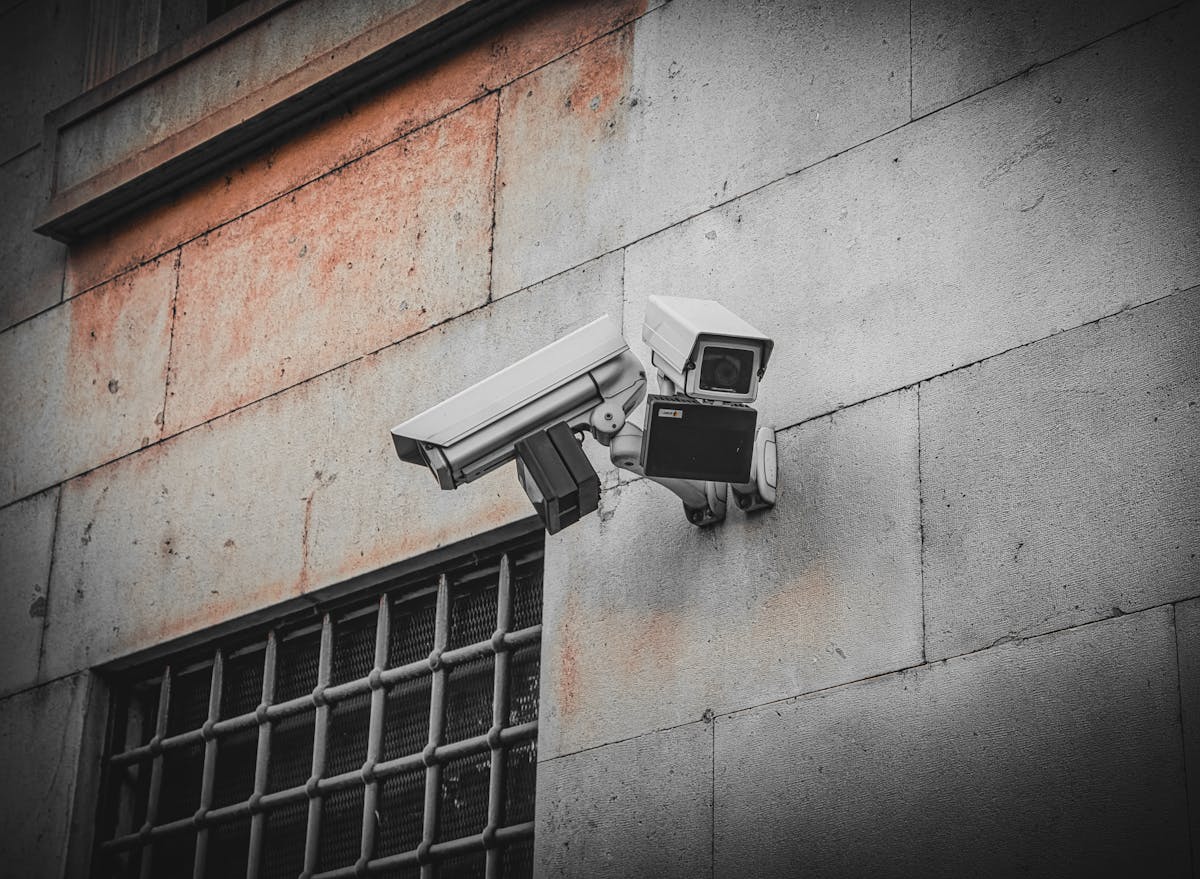
Obstructive Summary Audio recording through security cameras is legal in most US states under one-party consent rules, but 10 states require all-party consent, making it illegal to record conversations without every participant’s knowledge. Federal wiretapping law sets a one-party consent floor, while individual states impose stricter thresholds that carry criminal penalties for violations. The rules
April 7, 2026
Obstructive Summary Business security camera placement is regulated by federal employment law, state privacy statutes, and industry-specific frameworks like HIPAA and PCI-DSS. Employers can legally install cameras in most common areas — lobbies, warehouses, parking lots, and sales floors — but bathrooms, locker rooms, and nursing rooms are universally prohibited. Employee monitoring triggers additional requirements
April 7, 2026
Obstructive Summary Homeowners associations impose restrictions on security cameras that go beyond state and federal law, controlling everything from camera visibility and mounting locations to approved equipment colors and brands. HOA authority stems from CC&Rs (Covenants, Conditions & Restrictions) that homeowners agree to when purchasing property, giving the association legal power to enforce aesthetic and
April 7, 2026
Obstructive Summary Landlord and tenant rights regarding security cameras are governed by state landlord-tenant law, lease agreements, and federal privacy protections. Landlords can install cameras in common areas like hallways, parking lots, and building entrances but are prohibited from placing surveillance inside rental units or in any location where tenants have a reasonable expectation of
April 7, 2026
Obstructive Summary Security camera footage is admissible as evidence in court when it meets specific legal requirements for authenticity, chain of custody, and lawful collection. Courts across the United States routinely accept surveillance video in criminal prosecutions, civil lawsuits, insurance disputes, and family law proceedings. However, footage that was obtained illegally, has been tampered with,
April 7, 2026
Obstructive Summary Security cameras that capture identifiable individuals generate personal data subject to privacy regulations including the California Consumer Privacy Act (CCPA) and the European Union’s General Data Protection Regulation (GDPR). The CCPA applies to businesses meeting revenue or data-volume thresholds that collect personal information from California residents, requiring disclosure, opt-out mechanisms, and data deletion
April 7, 2026
Obstructive Summary Neighbor disputes over security cameras are among the most common property conflicts in residential areas, typically arising from cameras that appear to point into a neighbor’s yard, windows, or private spaces. Most of these disputes stem from misunderstandings about camera angles and field of view rather than actual illegal surveillance. State privacy laws
April 7, 2026
Obstructive Summary Vacant homes are prime burglary targets, and extended absences during vacations increase risk significantly. Security cameras with remote viewing capability let homeowners monitor their property in real time from anywhere with an internet connection. Smart home automation simulates occupancy by controlling lights, TVs, and blinds on varied schedules, eliminating the telltale signs of
April 7, 2026
Obstructive Summary Package theft from residential porches and doorsteps has surged alongside the growth of online shopping, with an estimated 49 million Americans experiencing at least one stolen package in a recent 12-month period. Security cameras — particularly video doorbells and porch-mounted cameras — are the most effective single deterrent against package theft because they
April 7, 2026
Obstructive Summary AI-powered security cameras use onboard neural network processors to classify objects, recognize faces, read license plates, and analyze behavior in real time — capabilities that go far beyond the simple pixel-change detection found in traditional cameras. These cameras distinguish between people, vehicles, animals, and irrelevant motion at the edge, before footage ever reaches