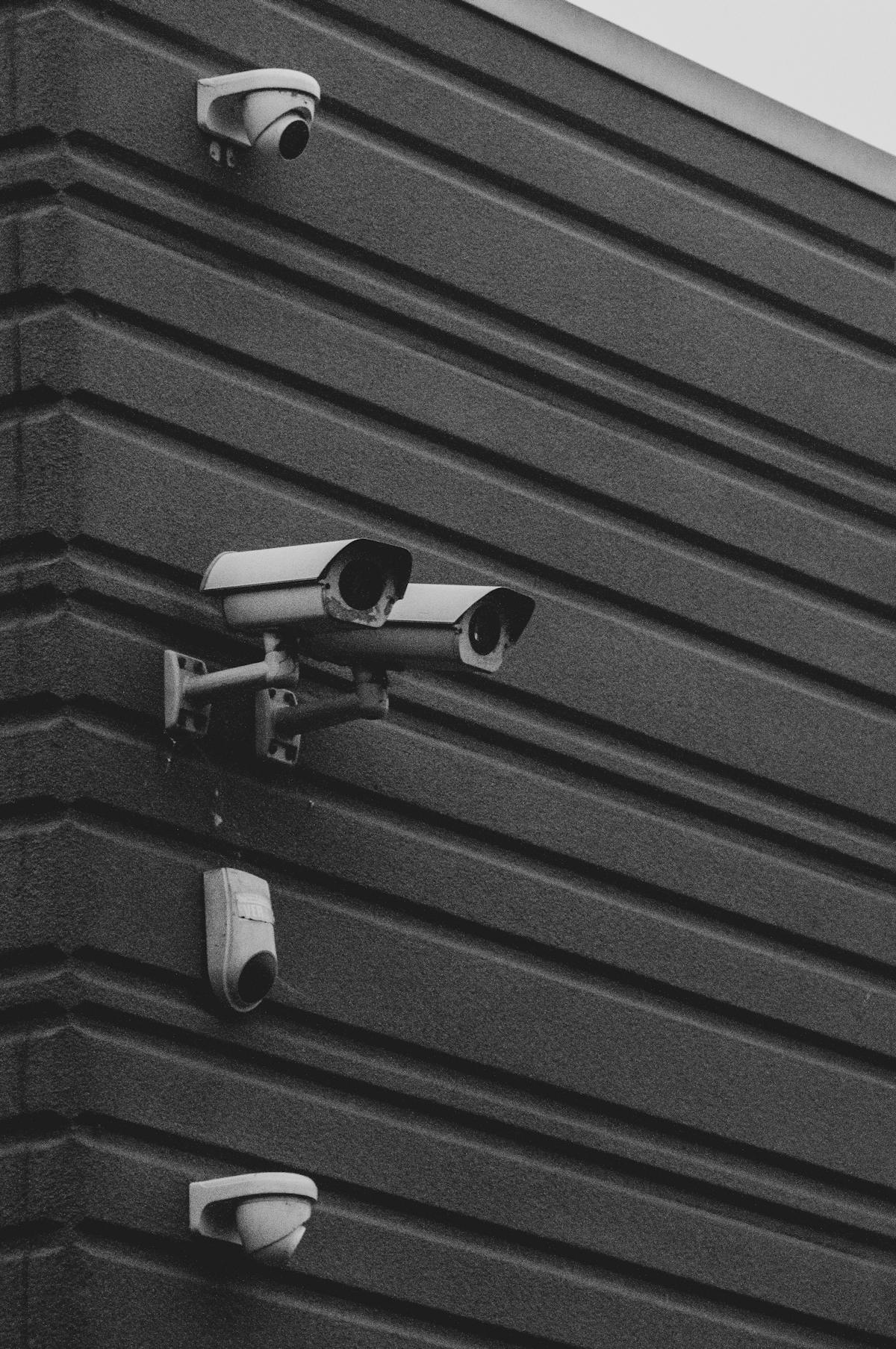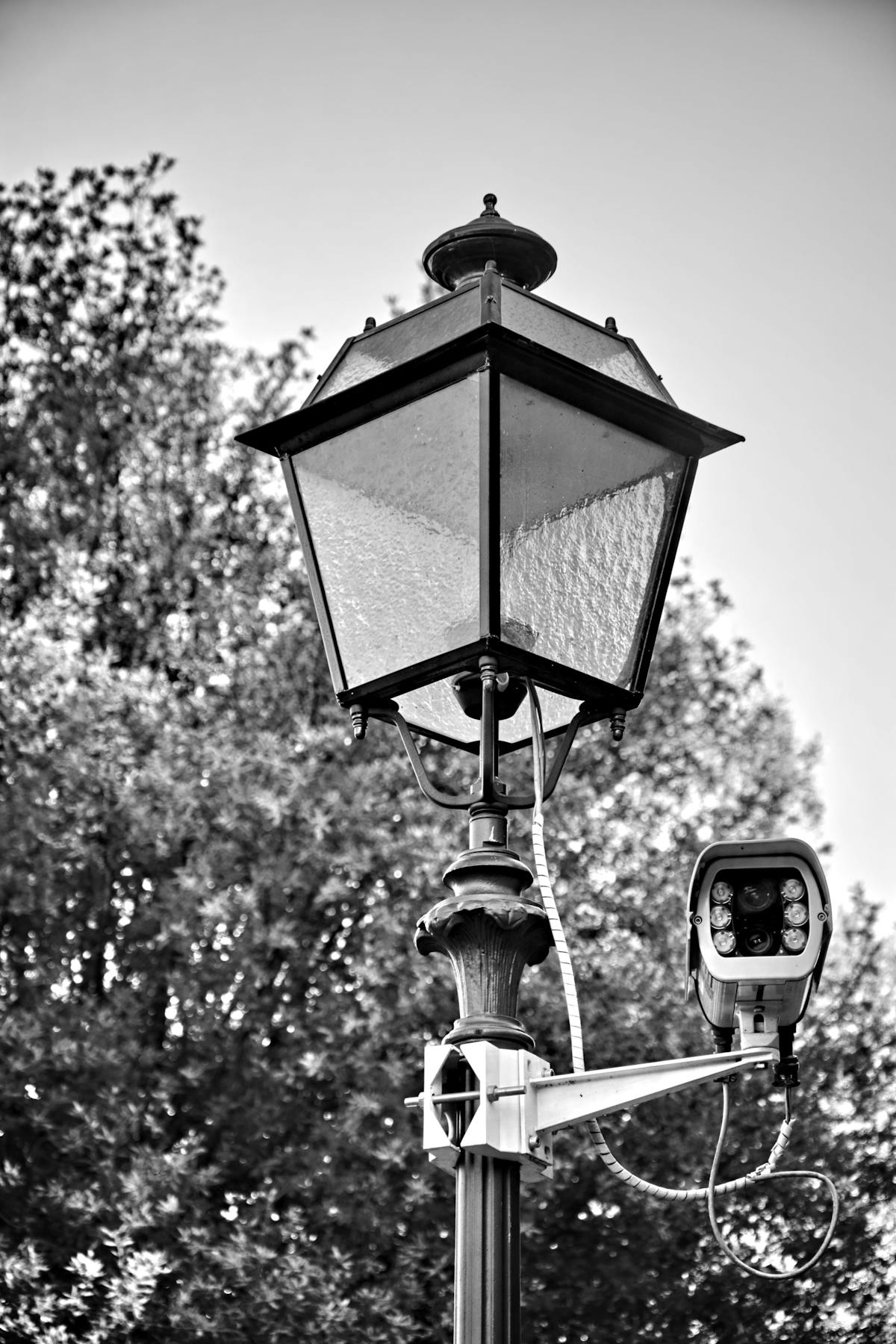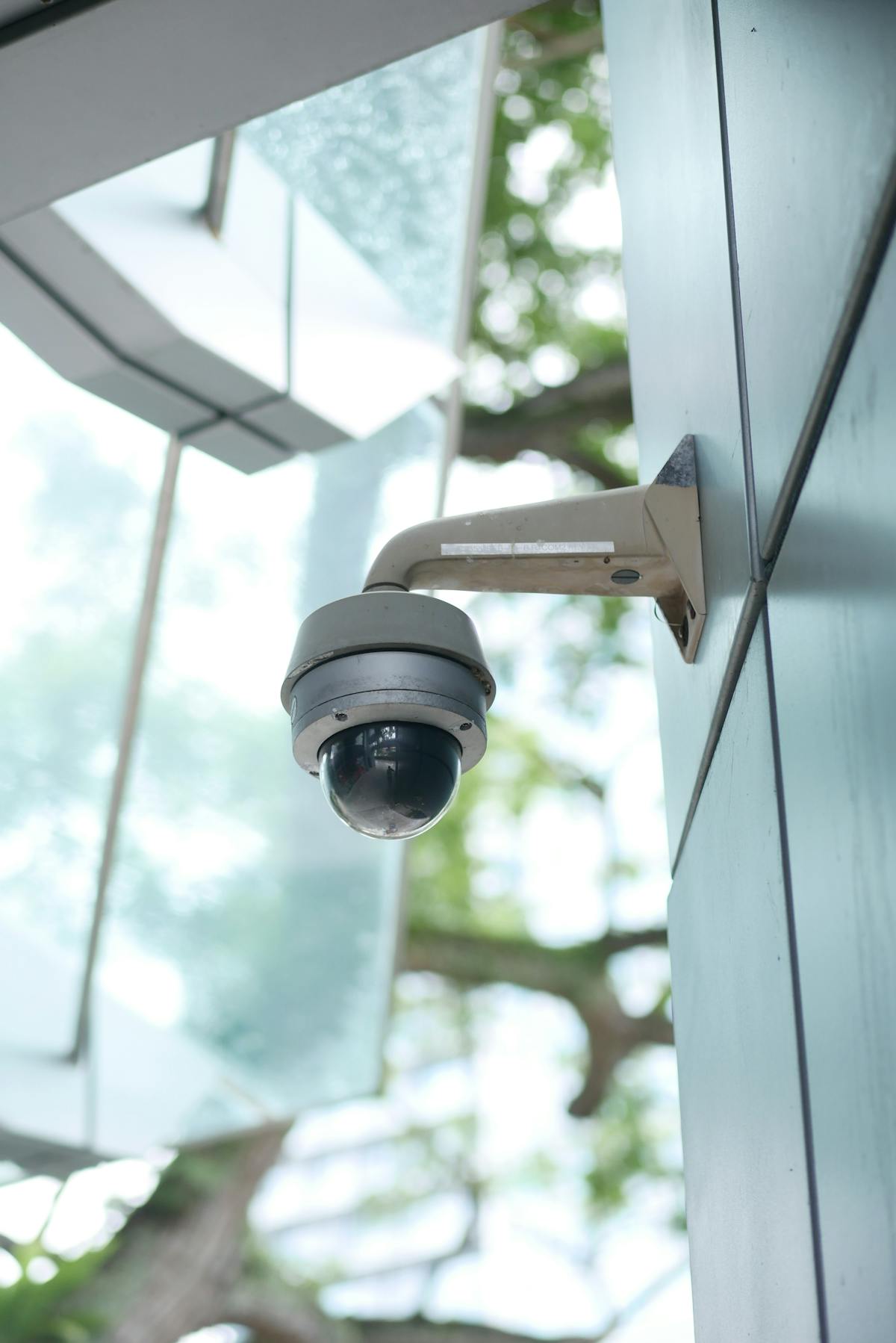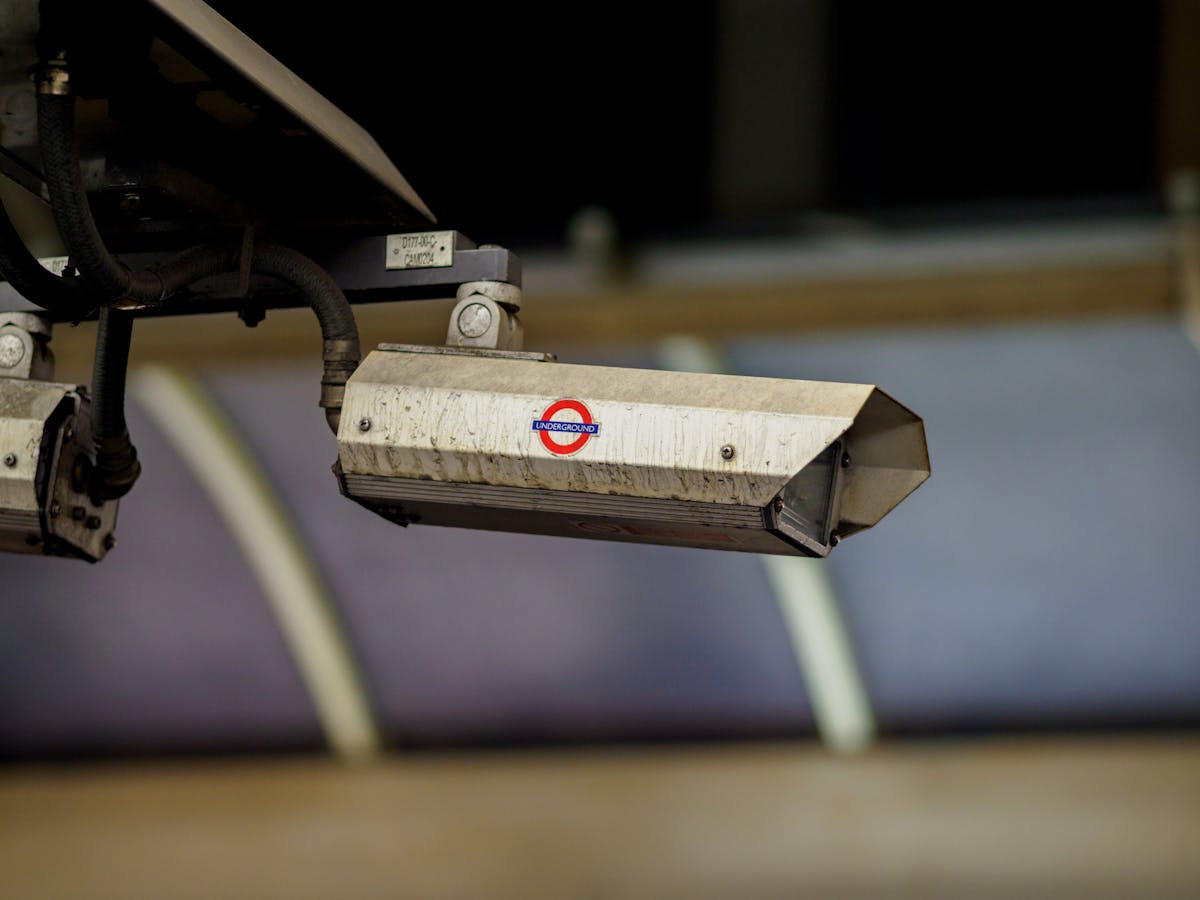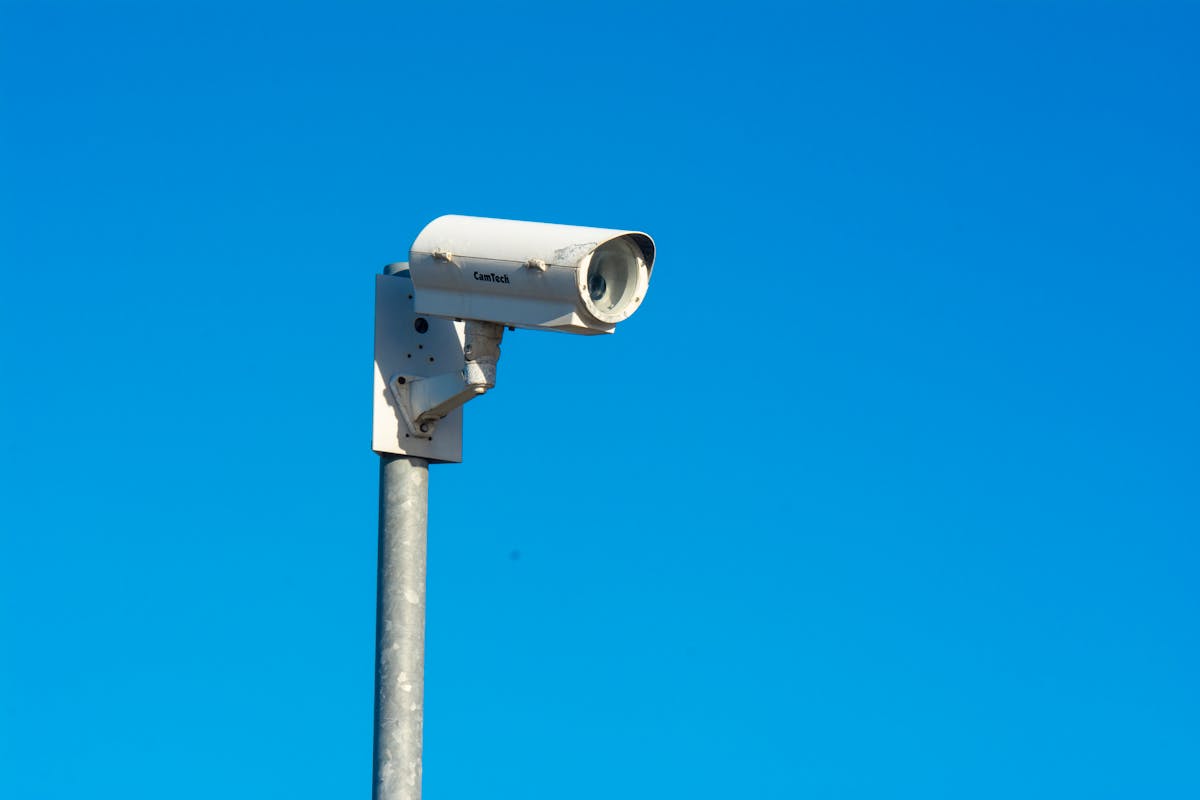
Parking lot and garage security camera installation protects vehicles, pedestrians, and property owners from theft, vandalism, assault, and liability claims through wide-area surveillance systems engineered for expansive outdoor environments, multi-level structures, and challenging low-light conditions. The Bureau of Justice Statistics reports that approximately 11% of all property crimes occur in parking lots and garages, making
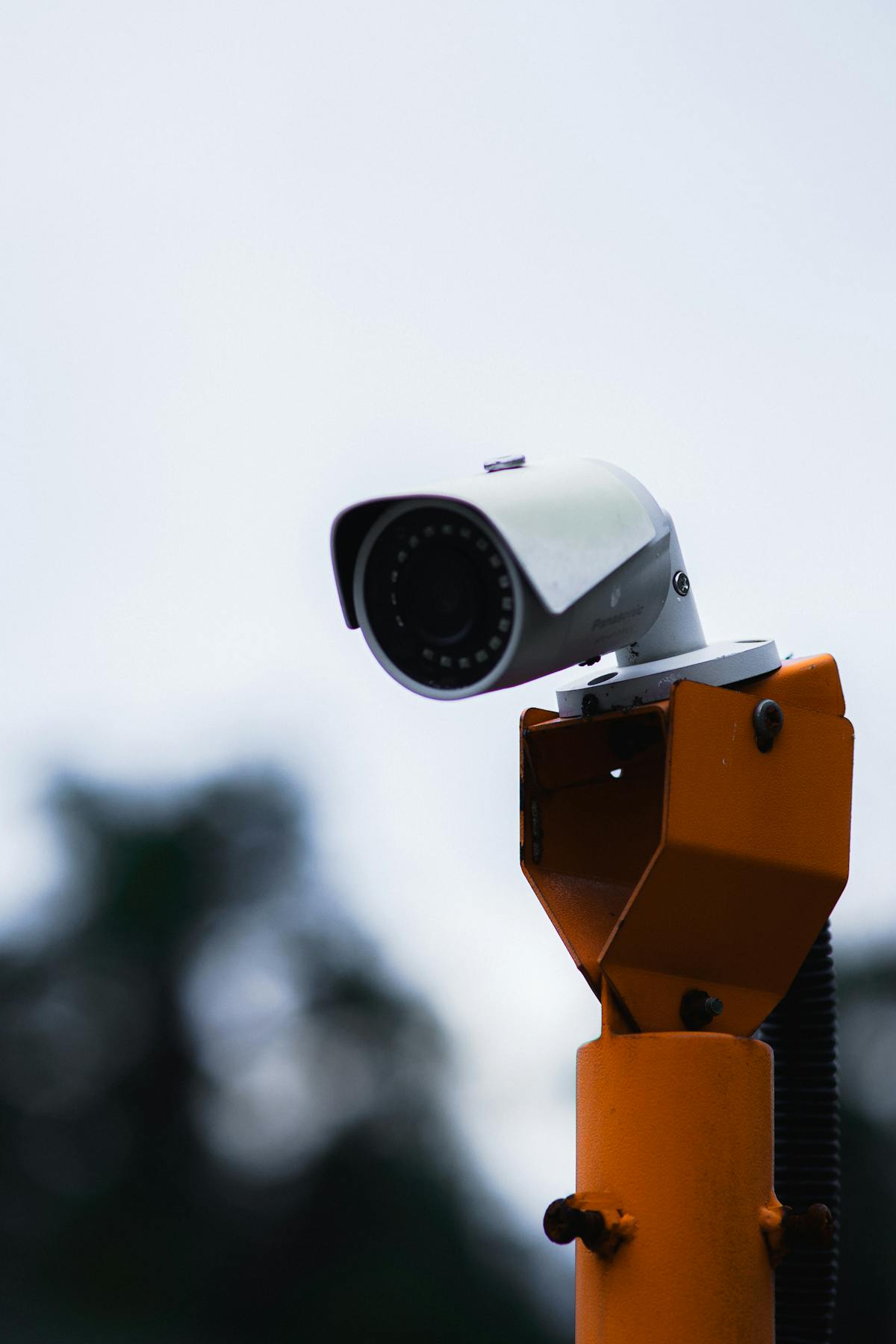
Security camera installation costs between $150 and $500 per camera when professionally installed, putting total system prices at $800–$2,500 for a typical home and $2,000–$15,000+ for a commercial property. That per-camera figure includes the camera unit itself ($50–$300), mounting hardware ($10–$30), cabling ($20–$80 per run), and installation labor ($75–$150 per camera). The final number depends
April 7, 2026
DIY security camera installation saves $500–$2,000 in labor costs compared to professional installation, but that upfront savings rarely tells the full story. Professional installation for a typical 4-camera residential system runs $800–$4,000 (equipment, labor, and configuration included), while the same system installed DIY costs $250–$1,700 in equipment, tools, and supplies — plus 4–16 hours of
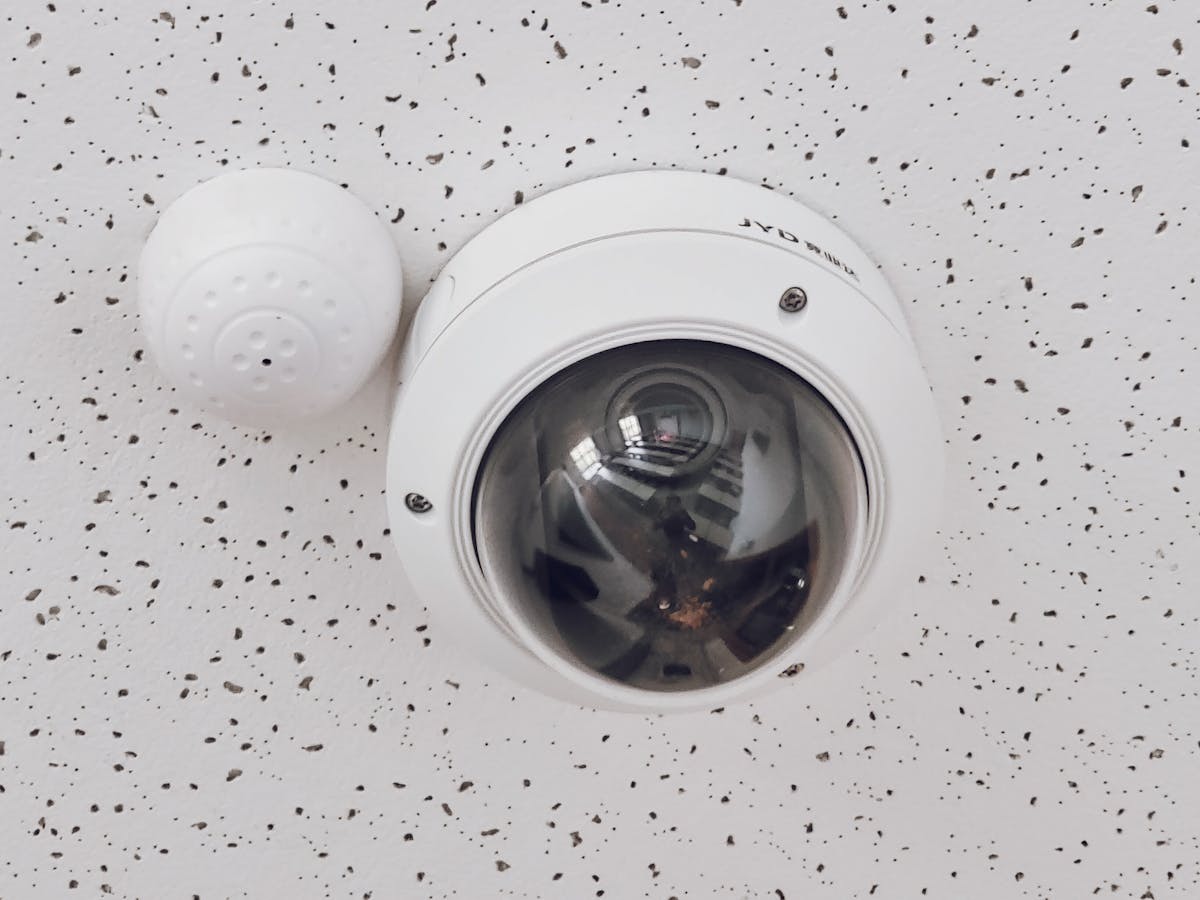
CCTV installation places cameras, recording hardware, and cabling into a closed-circuit video surveillance network that keeps all footage private to the property owner. Modern IP-based systems using PoE Ethernet have largely replaced legacy analog setups, delivering 2MP to 12MP resolution, built-in audio, and smart motion analytics over a single cable per camera. A typical residential
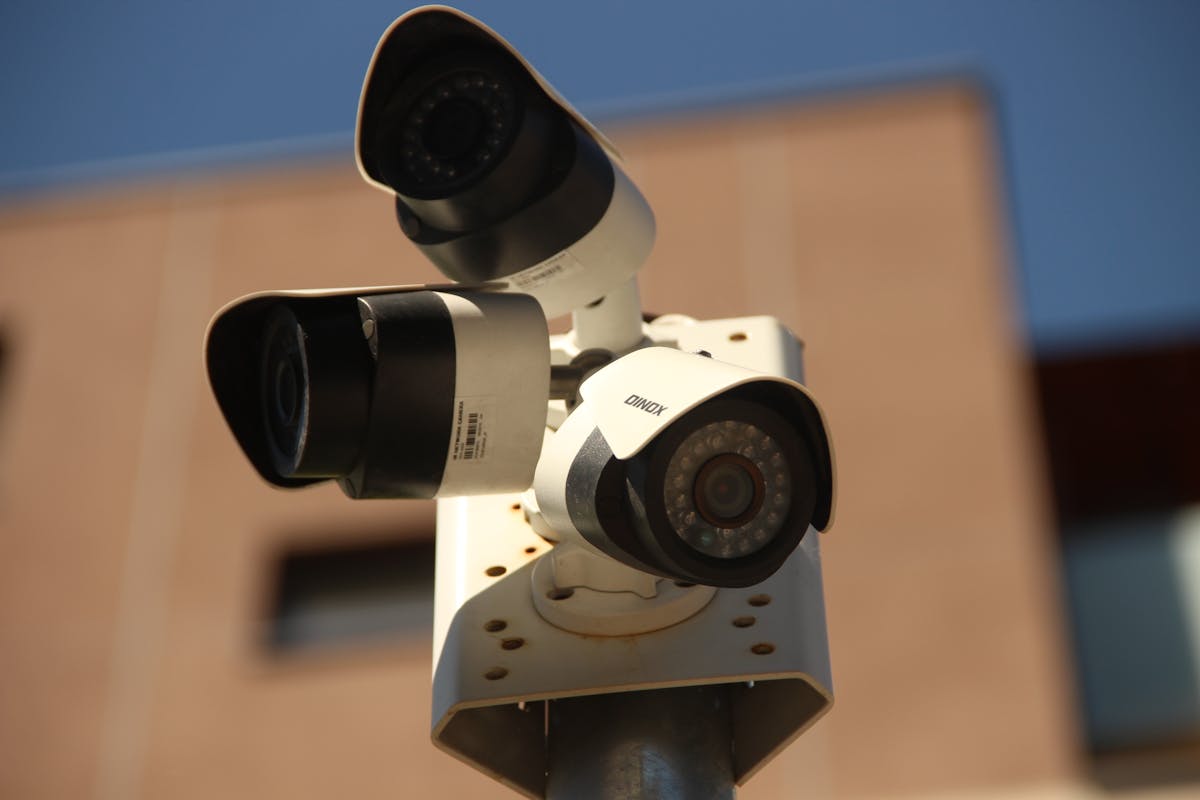
Outdoor security camera installation is the process of mounting, wiring, and configuring weatherproof cameras on building exteriors to monitor perimeters, driveways, yards, and entry points exposed to weather, wildlife, and changing light conditions. Outdoor cameras serve as the first layer of property surveillance — capturing activity before anyone reaches a door or window. Professional installation
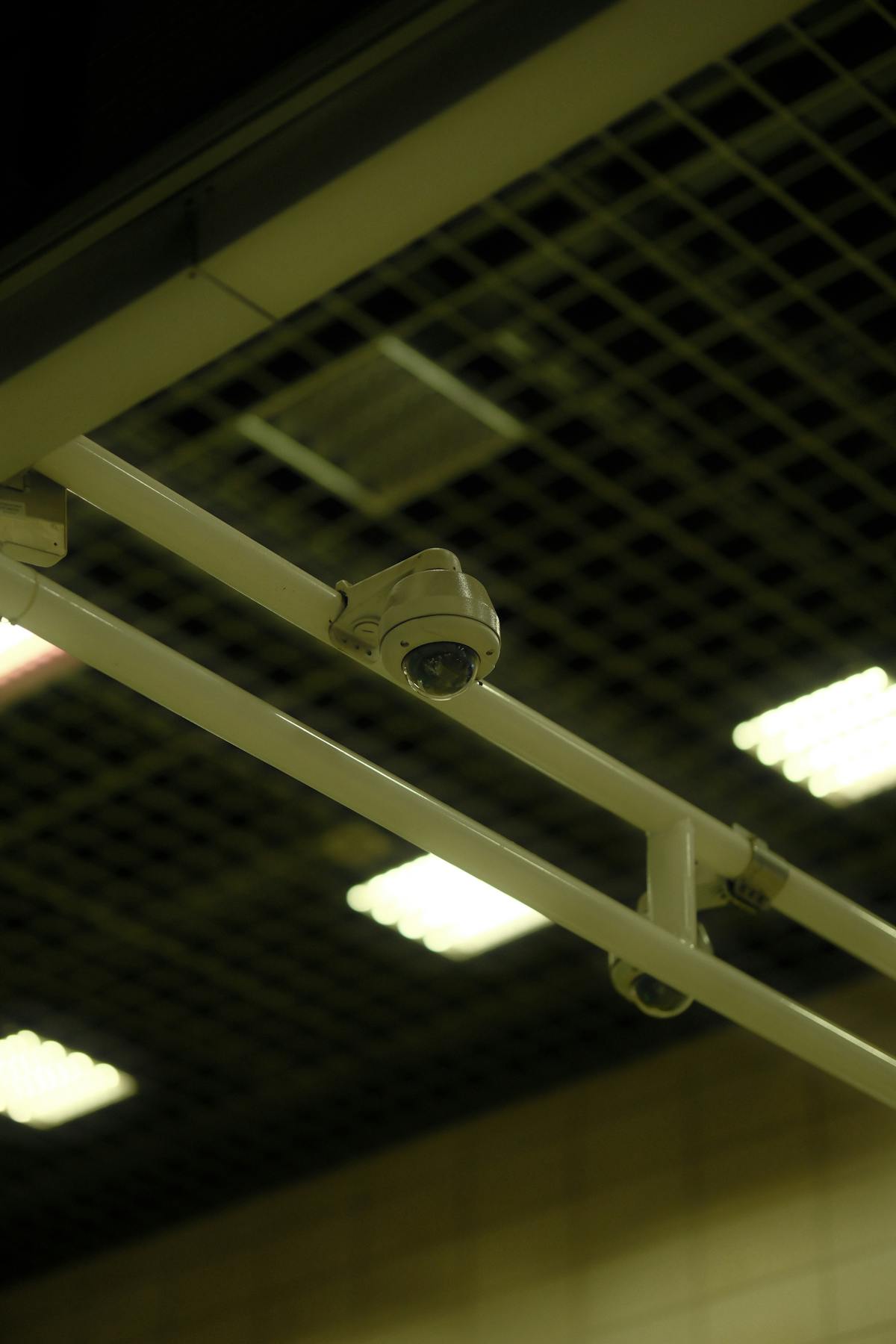
Indoor security camera installation places surveillance cameras inside homes and businesses to monitor hallways, entry foyers, common areas, cash registers, inventory rooms, and other interior spaces — with most installations costing $100–$300 per camera due to shorter cable runs and no weatherproofing requirements. Professional installers evaluate each room’s layout, lighting conditions, and monitoring purpose before
April 7, 2026
Obstructive Summary: Single-family homes remain the most targeted property type for residential burglary in the United States, with FBI data showing over 55% of all burglaries occur at detached houses. A professionally installed security camera system addresses the three most common threats homeowners face: burglary, package theft, and perimeter blind spots. This guide covers the
April 7, 2026
Church and worship facility security camera installation protects congregations, staff, children, and property from targeted violence, theft, vandalism, and liability incidents through professionally designed surveillance systems covering sanctuaries, parking lots, children’s ministry areas, and donation handling zones. The Federal Emergency Management Agency and the Cybersecurity and Infrastructure Security Agency (CISA) classify houses of worship as
April 7, 2026
Obstructive Summary: Schools and daycare centers face security threats that range from unauthorized visitors to on-campus violence, making professionally installed camera systems a baseline safety requirement rather than a luxury. This guide covers the specific camera types, placement strategies, camera counts, costs, and legal considerations that apply to educational facilities and childcare centers. Property administrators
April 7, 2026
Obstructive Summary: HOA-managed neighborhoods and gated communities require security camera systems designed around perimeter control, common-area monitoring, and vehicle identification at entry points. This guide details the camera types, placement strategies, system sizing, costs, and legal frameworks specific to community-wide surveillance managed by a homeowners association. Board members and property managers who understand these factors