

Obstructive Summary: Rental property owners face a unique security dilemma: they must protect assets they do not personally occupy while respecting tenant privacy rights and managing systems across tenant turnover cycles. Security cameras on rental properties reduce vandalism, deter break-ins, lower insurance premiums, and provide landlords with remote visibility into exterior property conditions. However, camera placement, tenant notification, and legal compliance require careful planning that differs significantly from owner-occupied homes. This guide covers the camera systems, placement rules, costs, and legal requirements that landlords need to address before installing cameras on single-family rentals, duplexes, or small multi-unit investment properties.
Why Rental Properties Need Security Cameras
Rental properties experience higher rates of property damage and security incidents than owner-occupied homes because the property owner is not present to monitor conditions daily. Cameras bridge this gap by providing remote oversight of exterior areas, deterring criminal activity, and documenting incidents for insurance and legal purposes.
Top Security Risks for Rental Properties
Landlords and property managers face threats tied to the nature of tenant-occupied investment properties:
- Tenant turnover vulnerabilities — Properties sit vacant between tenants, creating windows of opportunity for break-ins, squatting, and vandalism during unoccupied periods.
- Liability exposure — Slip-and-fall incidents, disputes between tenants, and criminal activity on the property can result in lawsuits against the property owner.
- Property damage documentation — Undocumented damage during a tenancy leads to deposit disputes and unrecoverable repair costs.
- Remote monitoring challenges — Landlords who own properties in different cities or states cannot physically inspect conditions without dedicated surveillance infrastructure.
- Unauthorized occupants and lease violations — Subletting, overcrowding, and unauthorized commercial activity are common lease violations that exterior cameras can help identify.
- Break-ins targeting vacant units — Empty rental units between tenants are prime targets for theft of appliances, copper wiring, and HVAC components.
Crime Statistics Affecting Rental Properties
National Crime Victimization Survey data shows that rental households experience burglary at rates approximately 25% higher than owner-occupied properties. Vacant properties are particularly vulnerable — the National Association of Realtors reports that properties vacant for more than 30 days face significantly elevated risk of break-in, vandalism, or illegal occupation. Insurance claims data from the National Association of Insurance Commissioners indicates that landlords with camera systems file fewer claims and receive faster claim resolutions when footage is available.
How Cameras Address These Specific Threats
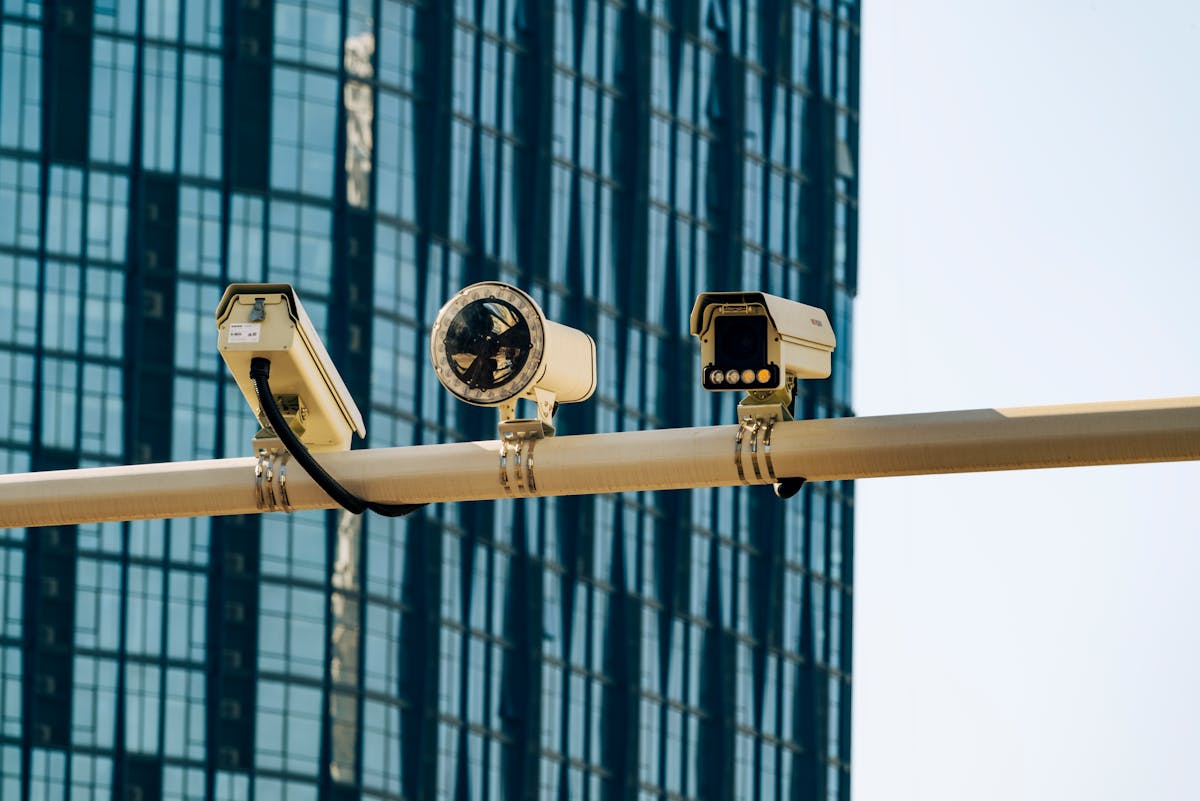
Exterior cameras covering entry points, parking areas, and common grounds deter criminal activity directed at both the property and its tenants. Recorded footage protects landlords in liability disputes by providing objective documentation of incidents. Remote-accessible camera feeds allow landlords to monitor property conditions daily without site visits, identifying maintenance issues (such as water leaks, trash accumulation, or damage) before they escalate. During vacancy periods, motion-activated alerts notify the landlord immediately when someone approaches the property, enabling rapid response to unauthorized access.
Best Security Camera Types for Rental Properties
Camera selection for rental properties emphasizes durability, remote access capability, and tamper resistance, since the property owner is not on-site to maintain or adjust equipment. Our overview of security camera types explains the differences between dome, bullet, and PTZ models relevant to rental property applications.
| Area to Cover | Recommended Camera | Resolution | Key Feature |
|---|---|---|---|
| Front entry / porch | Vandal-proof dome camera | 2K | IK10 impact rating, tamper-resistant housing |
| Rear entry / back door | Outdoor bullet camera | 4K | IR night vision 100+ ft, weatherproof IP67 |
| Parking area / driveway | PTZ camera or bullet with LPR | 4K | License plate capture, auto-tracking |
| Common grounds (multi-unit) | Outdoor turret camera | 2K | Wide-angle 130-degree lens |
| Vacancy monitoring | Battery-powered cellular camera | 1080p | No Wi-Fi required, solar panel compatible |
| Laundry / utility room | Indoor dome camera | 1080p | Compact, low-light capable |
How Many Cameras Does a Rental Property Need?
Camera count depends on property type, number of units, and whether the landlord monitors only common/exterior areas or also provides tenant-accessible camera feeds.
| Property Size | Camera Count | Coverage Achieved |
|---|---|---|
| Single-family rental | 3-5 cameras | Front door, back door, driveway, side yard |
| Duplex | 4-6 cameras | Both unit entries, shared driveway, rear access, common area |
| Triplex / fourplex | 6-10 cameras | All unit entries, parking lot, common grounds, laundry, rear perimeter |
| Small apartment building (5-12 units) | 10-20 cameras | Lobby, hallways, all exterior entries, parking, dumpster area, mail room |
Recommended Camera Placement for Rental Properties
Camera placement on rental properties must balance security coverage with tenant privacy rights. The general rule: exterior and common areas are permissible; private tenant spaces are not.
Position 1: Main Entry Points (All Units)
Front doors and main building entries are the highest-priority camera positions for rental properties. Vandal-proof dome cameras mounted at 8-9 feet capture visitor and tenant traffic at the primary access points. These cameras document who enters and exits the property, which is valuable for both security and liability protection.
Position 2: Rear and Side Access Points
Back doors, side gates, and basement entries on rental properties are frequently targeted during break-ins because they are less visible from the street. Bullet cameras with extended-range infrared illumination cover these areas effectively, even on properties without rear exterior lighting.
Position 3: Parking Areas and Driveways
Cameras covering tenant parking prevent vehicle theft and break-ins while also capturing license plate data from visitors. For small multi-unit properties, a single PTZ camera at an elevated position can sweep an entire parking area. License plate recognition capability adds value for tracking unauthorized vehicles on the property.
Position 4: Common Areas and Shared Spaces
Laundry rooms, shared hallways, mail rooms, and outdoor common spaces on multi-unit rental properties require camera coverage to deter theft and document liability incidents. Wide-angle turret cameras cover these open areas efficiently.
Position 5: Property Perimeter and Fence Lines
Perimeter cameras on rental properties monitor fence lines, dumpster areas, and property boundaries. These cameras detect trespassing, illegal dumping, and activity around outbuildings or detached garages that tenants may not report.
Security Camera Installation Process for Rental Properties
Installation on rental properties includes additional steps related to tenant communication and system management that do not apply to owner-occupied homes. Working with a provider that offers professional installation services ensures the system is designed for remote landlord management from day one.
Step 1: Legal Review and Tenant Notification
Before installation, landlords must verify compliance with state and local surveillance laws, review lease provisions regarding cameras, and provide written notification to current tenants. Many states require disclosure of camera locations in common areas. Cameras must never monitor private tenant spaces — interiors of units, private patios enclosed by fences, or bathroom/bedroom windows.
Step 2: System Design for Remote Management
Rental property camera systems are designed for remote access from day one. Cloud-based recording with cellular backup ensures the landlord maintains camera access even if tenants change the property’s internet service. The system architecture should not depend on tenant cooperation for connectivity or maintenance.
Step 3: Tamper-Resistant Installation
Cameras on rental properties use vandal-proof housings, tamper-resistant mounting screws, and elevated mounting positions (9 feet or higher) to prevent interference by tenants or visitors. Cable runs are enclosed in metal conduit where accessible. The NVR or recording hub is installed in a locked utility closet or landlord-access-only area.
Step 4: Multi-Property Dashboard Configuration
Landlords managing multiple rental properties benefit from a unified management platform that consolidates all camera feeds into a single dashboard. The installer configures property groups, assigns alert rules per property, and sets up automated health monitoring that notifies the landlord if any camera goes offline.
Cost of Security Camera Installation for Rental Properties
Rental property camera systems represent a capital improvement that can reduce insurance premiums, lower vacancy-related losses, and increase property value. For a comprehensive pricing breakdown, see our guide on security camera installation cost.
| System Tier | Camera Count | Price Range | Includes |
|---|---|---|---|
| Single-Family Basic | 3-4 cameras | $700 – $1,400 | 2K exterior cameras, cloud storage, remote access, basic install |
| Duplex Standard | 4-6 cameras | $1,400 – $2,500 | 2K-4K cameras, NVR, tamper-proof housings, full install |
| Multi-Unit Standard | 6-10 cameras | $2,500 – $5,000 | 4K cameras, NVR with remote access, vandal-proof, full install |
| Multi-Unit Premium | 10-20 cameras | $5,000 – $12,000 | 4K system, LPR, analytics, multi-property dashboard, complete install |
Legal Requirements for Cameras at Rental Properties
Rental property camera laws are more restrictive than owner-occupied home regulations because tenant privacy rights add a significant legal layer. Landlords may monitor exterior areas and shared common spaces but are prohibited from placing cameras where tenants have a reasonable expectation of privacy — including unit interiors, private balconies, and areas visible only from within a tenant’s exclusive-use space. Audio recording on rental properties is governed by state wiretapping statutes and frequently requires all-party consent in common areas. Written disclosure to tenants — ideally as a lease addendum — is a best practice in all states and a legal requirement in several. Review our complete guide to security camera laws and legal requirements for landlord-specific regulations by state. Landlords should also review landlord-tenant security camera rights for tenant notification and consent requirements.
Get a Free Camera Installation Quote for Your Rental Property
Every rental property has a different layout, tenant configuration, and management structure. A professional installer experienced with investment properties can design a system that protects your asset, complies with tenant privacy laws, and integrates into your remote management workflow. Request your free security camera installation quote today and a local specialist will assess your property and provide a detailed proposal.
Choosing Between Wired and Wireless Cameras for Rental Properties
Wired camera systems are the recommended choice for rental properties that the landlord owns long-term. Wired systems do not depend on tenant Wi-Fi, cannot be disrupted by tenant network changes, and provide consistent performance across tenant turnovers. Cellular-enabled wireless cameras serve as an effective solution for vacancy monitoring or properties where wiring is impractical. Landlords who plan to sell the property within a few years may prefer wireless systems that can be removed and redeployed at another property. Read our detailed wired vs. wireless security camera comparison to determine which approach fits your investment strategy.
Complete Security Checklist for Rental Properties
Security cameras are one element of a landlord’s property protection strategy. Deadbolt locks rekeyed between tenants, exterior motion-sensor lighting, reinforced door frames, window locks, and landscaping that maintains clear sightlines all contribute to a secure rental property. Our complete home security checklist provides a comprehensive step-by-step plan for protecting your investment before, during, and between tenancies.