
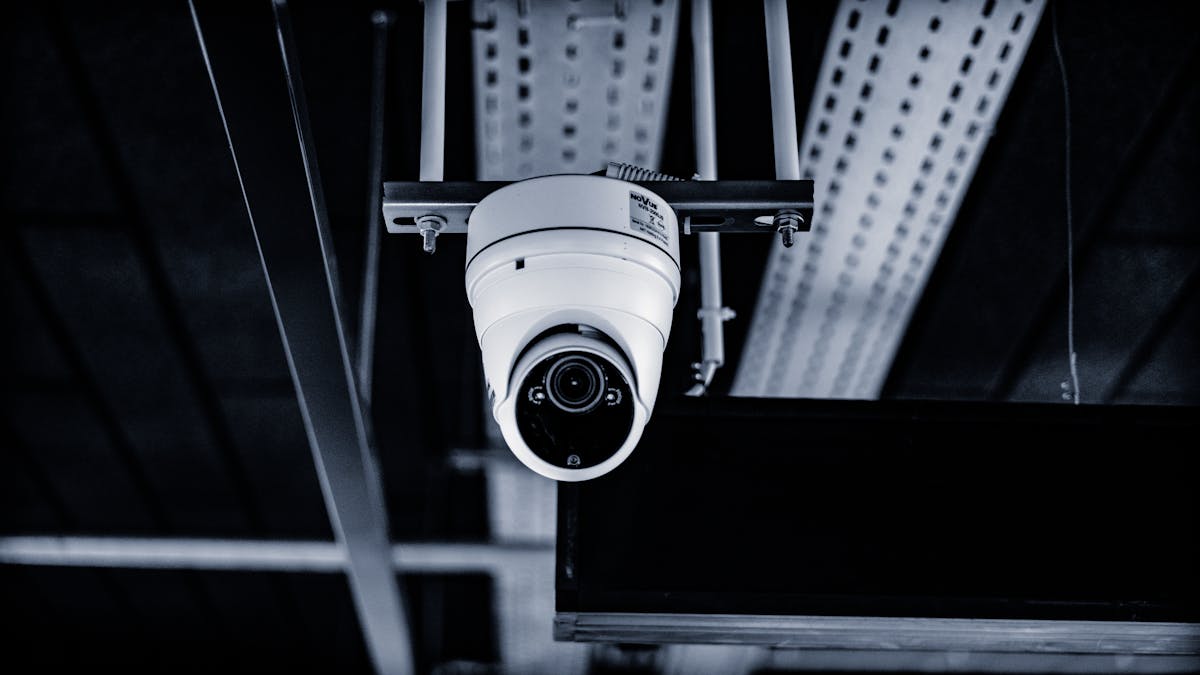

Obstructive Summary: Apartments and condominiums present distinct security challenges that differ fundamentally from single-family homes. Limited mounting options, shared common areas, landlord approval requirements, and HOA rules all constrain what camera systems residents can install. Despite these limitations, apartment and condo dwellers face significant risks — FBI data indicates that multi-unit residential buildings account for roughly 30% of all residential burglaries. This guide covers the camera types, placement strategies, system sizes, and legal considerations specific to apartment and condo security so you can protect your unit within the rules that govern your building.
Why Apartments and Condos Need Security Cameras
Multi-unit residential buildings create a shared-access environment where security depends partly on other residents, building management, and common-area controls. Individual unit security fills the gaps that building-level systems leave unaddressed.
Top Security Risks for Apartments and Condos
Apartment and condo residents face threats that are shaped by building design, shared access, and population density:
- Limited mounting options — Renters often cannot drill into exterior walls, and condo owners may face HOA restrictions on visible exterior modifications.
- Shared entry points and common areas — Lobbies, hallways, parking garages, and mail rooms are accessible to all residents and their guests, creating uncontrolled access zones.
- Landlord and HOA rules — Many lease agreements prohibit exterior modifications, and HOA bylaws may restrict camera placement on balconies, doors, or windows.
- Package theft from lobbies and hallways — Multi-unit buildings concentrate deliveries in shared spaces where packages are visible and accessible to anyone in the building.
- Tailgating and unauthorized entry — Secure entry doors are frequently bypassed when residents hold doors open for strangers or when access codes are shared.
- Vehicle break-ins in parking structures — Underground and open parking areas attached to apartment complexes experience higher rates of vehicle-related crime.
Crime Statistics Affecting Apartments and Condos
Bureau of Justice Statistics data shows that renters experience property crime at rates roughly 30% higher than homeowners. Multi-unit buildings with four or more units report higher rates of theft and unlawful entry than smaller buildings. Common-area crimes — including package theft, bicycle theft from storage rooms, and vehicle break-ins in garages — are frequently underreported because residents assume building management is responsible for shared-space security.
How Cameras Address These Specific Threats
Doorbell cameras and peephole cameras monitor unit entry points without requiring exterior drilling, making them compatible with most lease agreements. Interior cameras provide evidence of break-ins and can alert residents to unauthorized entry while they are away. Window-mounted cameras cover balcony and patio areas without exterior hardware. Motion-activated alerts sent directly to a resident’s smartphone provide real-time awareness of activity at the unit door, which is especially valuable in buildings where hallway foot traffic is constant.
Best Security Camera Types for Apartments and Condos
Camera selection for apartments and condos prioritizes non-invasive mounting, wireless connectivity, and compact form factors that comply with building rules. For a broader overview, see our guide to types of security cameras explained.
| Area to Cover | Recommended Camera | Resolution | Key Feature |
|---|---|---|---|
| Unit front door | Peephole camera or wireless doorbell camera | 2K | No drilling required, battery powered |
| Living area / main room | Indoor pan-tilt camera | 2K | 360-degree view, two-way audio |
| Balcony / patio | Window-mount camera | 1080p | Suction or adhesive mount, weatherproof |
| Hallway inside unit | Mini indoor camera | 1080p | Compact size, night vision |
| Parking spot (if visible) | Battery-powered wireless camera | 2K | Magnetic mount, cellular backup |
| Storage unit / bike room | Battery-powered mini camera | 1080p | Portable, motion-activated recording |
How Many Cameras Does an Apartment or Condo Need?
Unit size and the number of access points determine the minimum camera count. Apartments and condos generally require fewer cameras than single-family homes because the protected perimeter is smaller.
| Unit Size | Camera Count | Coverage Achieved |
|---|---|---|
| Studio / 1-bedroom | 2-3 cameras | Front door, main living area, balcony or window |
| 2-bedroom | 3-4 cameras | Front door, living area, balcony, hallway |
| 3-bedroom / large condo | 4-6 cameras | Front door, living area, balcony, hallway, secondary entry, parking |
| Penthouse / multi-level condo | 6-8 cameras | All entries, multiple interior zones, terrace, parking, elevator lobby |
Recommended Camera Placement for Apartments and Condos
Effective placement in a multi-unit building works within physical and regulatory constraints while covering the most vulnerable points.
Position 1: Unit Front Door
The unit entry door is the primary access point and the most critical camera position. A peephole camera replaces the existing peephole without any exterior modification, recording everyone who approaches the door. Wireless doorbell cameras that attach with adhesive strips offer an alternative for doors without standard peepholes. This camera captures delivery personnel, maintenance workers, and any unauthorized visitors.
Position 2: Main Living Area
An indoor pan-tilt camera positioned on a shelf or mounted on the wall covers the largest open space in the unit. This camera serves as the primary interior surveillance point, capturing activity across living and dining areas. Two-way audio functionality allows residents to communicate with anyone in the unit remotely.
Position 3: Balcony or Patio Access
Sliding glass doors and balcony access points on lower floors represent a secondary entry risk. A window-mounted camera facing outward monitors the balcony without any exterior installation. For condos with private patios at ground level, this position is especially important as patio doors are a documented forced-entry point.
Position 4: Interior Hallway or Secondary Entry
Units with back doors, service entries, or hallways leading to multiple rooms benefit from a hallway camera that tracks movement through the unit. This camera provides a secondary angle on any intruder who enters through the main door and moves deeper into the unit.
Position 5: Parking Area (Where Feasible)
A battery-powered wireless camera with a magnetic mount can be placed on a metal beam or column near a resident’s assigned parking spot. Cellular-enabled models do not require Wi-Fi access in the garage, making them practical for underground structures where building Wi-Fi does not reach.
Security Camera Installation Process for Apartments and Condos
Installation in multi-unit buildings requires a modified approach that respects building rules and minimizes structural changes. Residents considering a DIY approach should weigh the benefits of professional installation services for optimal camera placement and system configuration.
Step 1: Review Lease and HOA Rules
Before any equipment purchase, residents must review their lease agreement or HOA bylaws for restrictions on cameras, exterior modifications, and drilling. Many buildings allow interior cameras and adhesive-mounted doorbell cameras but prohibit screw-mounted exterior devices. Obtaining written approval from the landlord or HOA board prevents disputes and potential fines.
Step 2: Wireless System Selection
Apartments and condos overwhelmingly favor wireless camera systems because they require no wall fishing, conduit runs, or penetrations through shared structural walls. Battery-powered or plug-in cameras connect to the unit’s existing Wi-Fi network. A Wi-Fi signal test at each planned camera location confirms adequate connectivity before purchase.
Step 3: Camera Mounting and Positioning
Cameras are placed using adhesive mounts, shelf placement, magnetic mounts, or existing fixture points (such as peephole openings). Each camera is positioned and tested using the mobile app to verify field of view, motion detection zones, and night vision performance. Installers ensure no camera captures neighboring unit doors, windows, or shared hallways in ways that violate privacy expectations.
Step 4: Cloud Setup and Mobile Access
Apartment and condo camera systems typically rely on cloud storage rather than local NVR units to keep the hardware footprint small. The installer configures cloud recording plans, sets motion alert sensitivity appropriate for high-traffic hallway environments, and ensures the mobile app provides full remote access for live viewing and playback.
Cost of Security Camera Installation for Apartments and Condos
Apartment and condo systems cost less than single-family home installations due to fewer cameras and simplified wireless installation. For full pricing details, see our guide on security camera installation cost.
| System Tier | Camera Count | Price Range | Includes |
|---|---|---|---|
| Basic | 2-3 cameras | $200 – $500 | 1080p wireless cameras, cloud trial, self/pro install |
| Standard | 3-4 cameras | $500 – $1,200 | 2K cameras, doorbell cam, cloud plan, professional setup |
| Premium | 5-6 cameras | $1,200 – $2,500 | 2K-4K cameras, smart home integration, extended cloud, pro install |
| Luxury Condo | 6-8 cameras | $2,500 – $4,000 | 4K cameras, NVR option, PTZ, parking coverage, full install |
Legal Requirements for Cameras at Apartments and Condos
Apartment and condo camera laws involve an additional layer beyond standard residential regulations. Tenants must comply with both state surveillance laws and the terms of their lease. Condo owners must satisfy HOA bylaws in addition to local ordinances. Cameras in shared hallways, lobbies, or parking areas typically fall under the building management’s authority, not individual residents. Recording audio in common areas may violate state wiretapping laws in two-party consent states. Review our complete guide to security camera laws and legal requirements for detailed state-by-state regulations and tenant-specific considerations.
Get a Free Camera Installation Quote for Your Apartment or Condo
Every building has different rules, layouts, and access constraints. A professional installer experienced with multi-unit residential buildings can evaluate your specific unit, verify what your lease or HOA permits, and recommend a system that provides maximum coverage within those boundaries. Request your free security camera installation quote today and a local specialist will contact you to discuss your unit’s unique requirements.
Choosing Between Wired and Wireless Cameras for Apartments and Condos
Wireless cameras are the default recommendation for most apartments and condos. Wired systems require cable routing through walls and ceilings that tenants typically cannot modify, and even condo owners may face restrictions on running cables through shared structural elements. Wireless systems install in minutes, leave no damage when removed, and connect through the unit’s existing Wi-Fi. The trade-off is battery maintenance for wire-free models and potential interference in buildings with dense Wi-Fi networks. Read our detailed wired vs. wireless security camera comparison for a full breakdown of reliability, cost, and performance differences.
Complete Security Checklist for Apartments and Condos
Security cameras are most effective when combined with reinforced door locks, sliding door bars, window sensors, and smart home alarm integration. Building-level security measures — functioning access control, well-lit common areas, and maintained intercom systems — form the first line of defense that individual unit security builds upon. Our complete home security checklist provides a step-by-step plan for securing your unit from the inside out.