
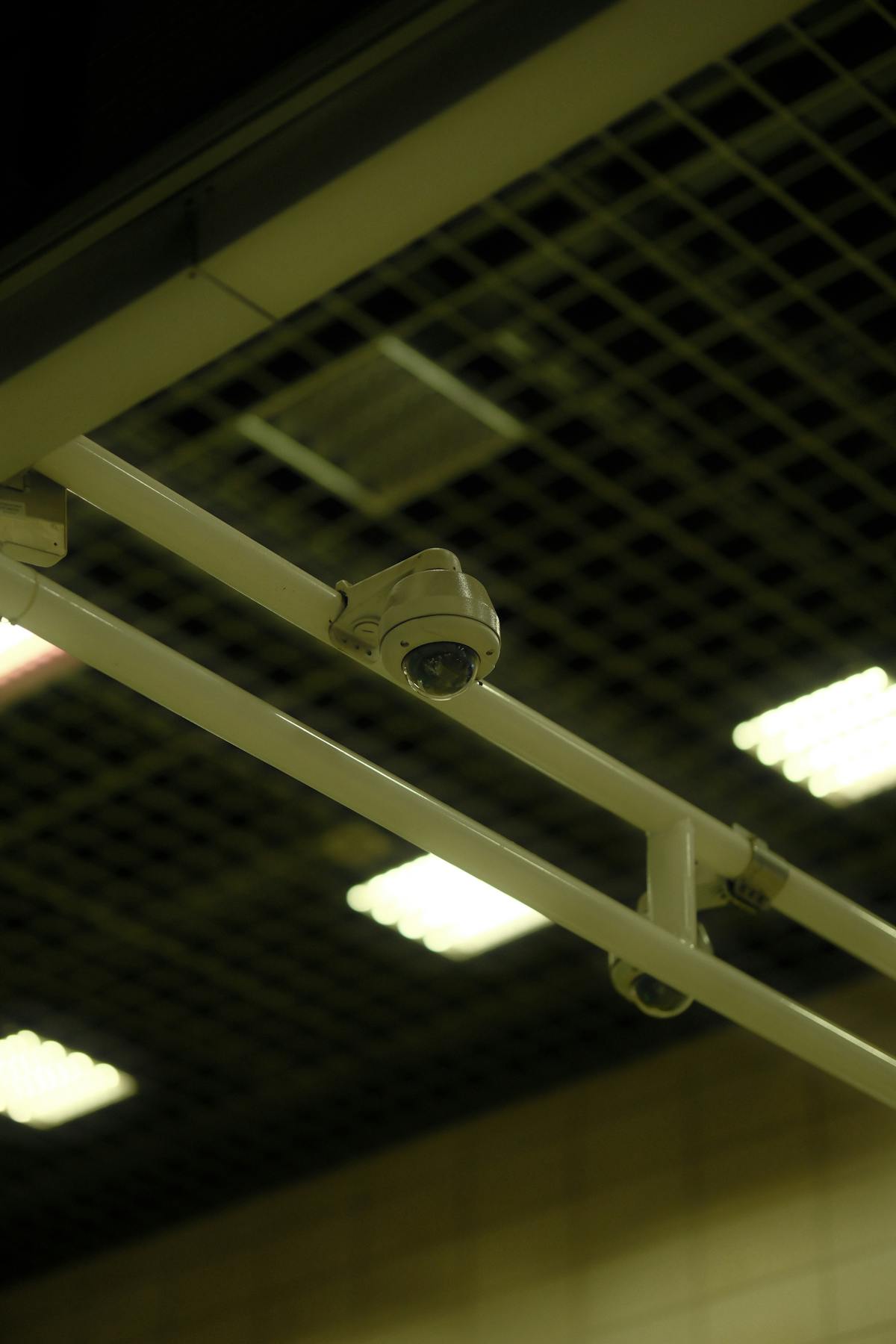

Church and worship facility security camera installation protects congregations, staff, children, and property from targeted violence, theft, vandalism, and liability incidents through professionally designed surveillance systems covering sanctuaries, parking lots, children’s ministry areas, and donation handling zones. The Federal Emergency Management Agency and the Cybersecurity and Infrastructure Security Agency (CISA) classify houses of worship as soft targets due to open-access policies, predictable gathering schedules, and limited security infrastructure. FBI hate crime statistics report over 1,500 anti-religious hate crimes annually in the United States, and high-profile attacks on worship facilities have driven a nationwide increase in faith-based security planning. A typical mid-size church requires 8–16 cameras covering the parking lot, main entrances, sanctuary, fellowship hall, children’s wing, and office area, with installation costs ranging from $4,000 to $15,000 depending on building size and system complexity. Worship facilities that deploy professional camera systems create safer environments for congregants, protect donation revenue from internal and external theft, and establish documented evidence for insurance claims and legal proceedings.
Why Churches and Places of Worship Need Security Cameras
Top Security Risks for Churches and Places of Worship
Houses of worship face a distinct threat profile shaped by open-door policies, large gatherings, vulnerable populations, and cash-based donations.
- Targeted violence and active threats — CISA identifies worship facilities as soft targets, and incidents at churches, synagogues, mosques, and temples have escalated in frequency over the past decade, making entrance monitoring and real-time alerting critical safety measures.
- Child safety in ministry areas — Children’s classrooms, nurseries, and youth activity spaces require visual documentation of adult-child interactions, check-in/check-out procedures, and hallway access to protect children and defend against false allegations.
- Donation and offering theft — Cash offerings collected during services, stored in offices, and transported to banks represent a persistent theft target for both internal and external actors.
- Vandalism and hate crimes — Property damage targeting worship facilities includes graffiti, broken windows, arson, and monument destruction, with hate-motivated incidents carrying federal reporting and investigation implications.
- Parking lot incidents — Vehicle break-ins, assaults, and accidents in church parking lots occur during services when large numbers of vehicles are concentrated in unmonitored areas.
- Trespassing and loitering — Worship facilities open during weekdays for staff, counseling, and community programs experience unauthorized access by individuals who may pose risks to staff working alone.
- Liability from slip-and-fall and event injuries — Fellowship meals, youth events, and community gatherings generate premises liability exposure that camera footage documents and defends.
Crime Statistics Affecting Churches and Places of Worship
Worship facility security threats are documented across multiple federal reporting systems. The FBI Uniform Crime Report records over 1,500 anti-religious bias crimes annually, targeting property and persons at churches, synagogues, mosques, temples, and other worship sites. The Center for Homicide Research has documented over 800 violent incidents at U.S. houses of worship since 1999, including shootings, stabbings, and arson attacks. Property crimes at worship facilities include an estimated $2+ billion in annual losses from theft, burglary, and vandalism according to insurance industry data. Houses of worship are particularly vulnerable because they maintain open-access policies during services and events, making controlled entry screening impractical for most congregations.
How Cameras Address These Specific Threats
Security cameras at worship facilities serve as both safety infrastructure and community confidence measures. Exterior cameras at parking lots and building entrances identify individuals approaching the facility and provide real-time feeds to safety team members monitoring during services. Sanctuary cameras enable security volunteers to observe the full congregation space without positioning personnel in conspicuous locations that change the worship atmosphere. Children’s wing cameras document check-in procedures, hallway activity, and classroom supervision to protect minors and defend staff against allegations. Donation handling cameras create auditable visual records from collection through counting to secure storage. Post-incident, camera footage provides law enforcement, insurance adjusters, and legal counsel with objective evidence that accelerates investigations and resolves disputes.
Best Security Camera Types for Churches and Places of Worship
| Area to Cover | Recommended Camera | Resolution | Key Feature |
|---|---|---|---|
| Main entrance / lobby | Dome camera | 4K (8 MP) | Facial detail capture, wide dynamic range |
| Parking lot | Bullet camera with IR | 4K (8 MP) | 150 ft night vision, IP67 weatherproof |
| Sanctuary / main worship space | Discreet dome camera | 4K (8 MP) | Ultra-low-profile mount, wide-angle lens |
| Children’s ministry wing | Dome camera | 2K (4 MP) | Hallway and classroom door coverage |
| Fellowship hall / multi-purpose room | Dome camera | 2K (4 MP) | Wide-angle for large open space |
| Office / donation counting room | Mini dome camera | 4K (8 MP) | Overhead transaction-level detail |
| Secondary entrances / side doors | Bullet camera | 2K–4K | Weather-resistant, motion-triggered alerts |
| Building perimeter | PTZ camera | 4K (8 MP) | 360-degree coverage, auto-patrol patterns |
Camera selection for worship facilities prioritizes discreet, low-profile form factors that provide security coverage without creating an institutional or unwelcoming atmosphere. Our guide to types of security cameras explains the differences between dome, bullet, and PTZ models suitable for these environments. White or ceiling-matched dome cameras blend with typical worship facility architecture and avoid the conspicuous appearance of industrial bullet cameras in sanctuary and lobby spaces.
How Many Cameras Does a Church or Place of Worship Need?
| Facility Size | Camera Count | Coverage Achieved |
|---|---|---|
| Small church (under 200 members) | 4–8 | Main entrance, parking lot, sanctuary, office |
| Mid-size church (200–500 members) | 8–16 | Above + children’s wing, fellowship hall, secondary entrances |
| Large church (500–2,000 members) | 16–24 | Above + multiple buildings, expanded parking, kitchen, gym |
| Mega-church or campus (2,000+ members) | 24–48+ | Full campus coverage, multiple worship spaces, athletic facilities |
Camera count for worship facilities scales with the number of separate buildings, children’s program spaces, and parking areas rather than congregation size alone. A 300-member church with a separate education building, detached fellowship hall, and two parking lots requires significantly more cameras than a 500-member church operating from a single building with one lot.
Recommended Camera Placement for Churches and Places of Worship
Main Entrance and Lobby
Main entrance cameras are the single most important position in any worship facility camera system. A 4K dome camera positioned inside the lobby captures a clear facial image of every person entering the building. A companion exterior camera covers the approach path from the parking lot to the front door. Safety team members monitoring live entrance feeds during services can identify known threats, unfamiliar visitors, and behavioral warning signs before individuals reach the sanctuary. Lobby cameras also document visitor check-in activity and greeting interactions.
Parking Lot and Exterior
Parking lot cameras protect vehicles during services and events when large numbers of cars concentrate in a defined area. Bullet cameras with 150-foot IR range mounted on building corners or dedicated poles cover parking rows and pedestrian walking paths. Exterior perimeter cameras at building sides and rear areas monitor for vandalism attempts, loitering, and after-hours trespassing. Facilities with multiple parking areas need dedicated cameras for each lot to eliminate coverage gaps.
Sanctuary and Worship Space
Sanctuary cameras provide security coverage of the main worship area without disrupting the worship experience. Discreet dome cameras mounted high on rear or side walls capture the full seating area and platform without being visible to most congregants. A second camera at the rear of the sanctuary provides a forward-facing view of entry doors, allowing safety team members to see who enters during service. Audio recording is typically disabled on sanctuary cameras to respect the private nature of worship activities.
Children’s Ministry and Nursery Areas
Children’s wing cameras are essential for child protection and staff accountability. Hallway cameras cover classroom doorways, check-in/check-out stations, and restroom access corridors. Cameras inside children’s spaces should be positioned to observe adult-child interactions and room activity without capturing restroom or changing areas. Check-in desk cameras document the identity of every adult dropping off and picking up children, creating a visual log that supplements electronic check-in systems.
Office, Counting Room, and Donation Storage
Donation handling cameras create a continuous visual audit trail from offering collection through counting, recording, and bank deposit preparation. A camera positioned overhead in the counting room captures the table surface where cash is counted, verified, and bagged. Office cameras monitor safe access, after-hours entry, and staff workspace security. These cameras protect both the organization’s finances and its staff by documenting that proper handling procedures were followed.
Security Camera Installation Process for Churches and Places of Worship
Step 1 — Security Assessment with Ministry Leaders
Worship facility camera installation begins with a collaborative security assessment involving ministry leaders, safety team members, and the installation provider. Installers walk every space including the sanctuary, children’s areas, offices, fellowship spaces, and exterior grounds, identifying coverage priorities based on the facility’s specific risk profile, gathering patterns, and community concerns. The assessment addresses both physical security needs and the congregation’s expectations regarding privacy and the worship atmosphere.
Step 2 — Discreet System Design
Installers design camera placements that maximize coverage while minimizing visual impact on the worship environment. Camera models, mount positions, and cable routing are selected to blend with existing architecture. Sanctuary installations use ceiling-recessed or color-matched dome cameras that are effectively invisible from the congregation’s perspective. Cable runs are routed through existing conduit, attic spaces, and wall cavities to avoid visible wiring. The system design includes NVR placement in a secured closet or office, storage capacity for 30–60 days of footage, and remote access for designated safety team leaders.
Step 3 — Installation with Ministry Schedule Coordination
Professional installation is scheduled around worship services, midweek programs, and special events to avoid disrupting ministry activities. Installers complete parking lot and exterior work during weekdays and interior work during unoccupied hours. Children’s wing installations require that all work be completed and inspected before youth programming resumes. Cable runs through sanctuary ceilings are performed with particular attention to noise, dust, and visual disturbance in spaces that may have exposed beams, stained glass, or historic architectural elements.
Step 4 — Safety Team Training and Monitoring Configuration
Completed systems are configured with user access for senior pastors, facility managers, and safety team leaders. Live monitoring stations are set up at security desk positions or mobile devices carried by safety volunteers during services. Motion alerts for after-hours entry, children’s wing access outside program hours, and perimeter activity are configured for designated responders. Safety team training covers live monitoring during services, incident clip export for law enforcement, and system operation for non-technical volunteers.
Cost of Security Camera Installation for Churches and Places of Worship
| System Tier | Camera Count | Price Range | Includes |
|---|---|---|---|
| Small church | 4–8 | $2,500–$5,000 | Cameras, NVR, cabling, basic configuration |
| Mid-size church | 8–16 | $5,000–$12,000 | Above + children’s wing, fellowship hall, structured cabling |
| Large church | 16–24 | $12,000–$20,000 | Above + multi-building, expanded parking, multi-user access |
| Mega-church / campus | 24–48+ | $20,000–$50,000+ | Full campus deployment, PTZ units, professional monitoring |
Many worship facilities fund camera installations through designated security budget allocations, building fund reserves, or targeted fundraising campaigns. Federal and state grant programs for nonprofit security hardening, including the FEMA Nonprofit Security Grant Program (NSGP), provide matching funds of up to $150,000 for eligible houses of worship to install surveillance and access control systems. Review overall pricing details in our security camera installation cost guide.
Legal Requirements for Cameras at Churches and Places of Worship
Worship facility camera placement must respect privacy expectations specific to religious environments. Cameras should not record inside restrooms, counseling offices where pastoral conversations occur, or private prayer rooms. Sanctuary camera audio recording raises unique concerns in worship settings where spoken prayers, confessions, and pastoral communications carry elevated privacy expectations; most facilities disable audio recording on interior cameras. Signage notifying members and visitors of video surveillance should be posted at building entrances. States vary on whether worship facilities, as private nonprofit properties, face the same notification requirements as commercial establishments. Child-area camera footage may be subject to additional data handling requirements depending on state child protection laws. Review our full guide on security camera laws and legal requirements for detailed federal, state, and local compliance information.
Get a Free Camera Installation Quote for Your Church or Place of Worship
Worship facility security camera costs depend on building size, campus layout, children’s program spaces, parking areas, and the level of monitoring required during services and events. Our security installers work with ministry leaders and safety teams to design systems that protect congregants and property while respecting the worship environment. Contact us today to schedule your free worship facility security assessment and receive a custom proposal within 48 hours.
Choosing Between Wired and Wireless for Churches and Places of Worship
Wired PoE camera systems are recommended for permanent worship facility installations because they deliver consistent 24/7 recording without battery replacement across building spaces that may include high ceilings, thick masonry walls, and metal roofing that degrade wireless signals. Historic church buildings with stone or brick construction are particularly problematic for wireless cameras due to signal attenuation through dense building materials. PoE cabling can be routed discreetly through existing conduit, attic spaces, and wall cavities to maintain the aesthetic integrity of worship spaces. Wireless cameras may suit temporary event monitoring at outdoor worship gatherings or satellite locations where permanent installation is not warranted. Compare the complete cost and performance analysis in our wired vs. wireless security camera comparison.
Complete Security Checklist for Churches and Places of Worship
A comprehensive worship facility security plan extends beyond cameras to include safety team training, emergency response plans, access control for sensitive areas, children’s check-in systems, and coordination with local law enforcement. Camera systems integrated with door access control at children’s wings, offices, and after-hours entry points create layered security that addresses both Sunday service risks and weekday operational safety. Review our complete professional installation services guide for a full worship facility security framework covering physical, procedural, and technological measures.