
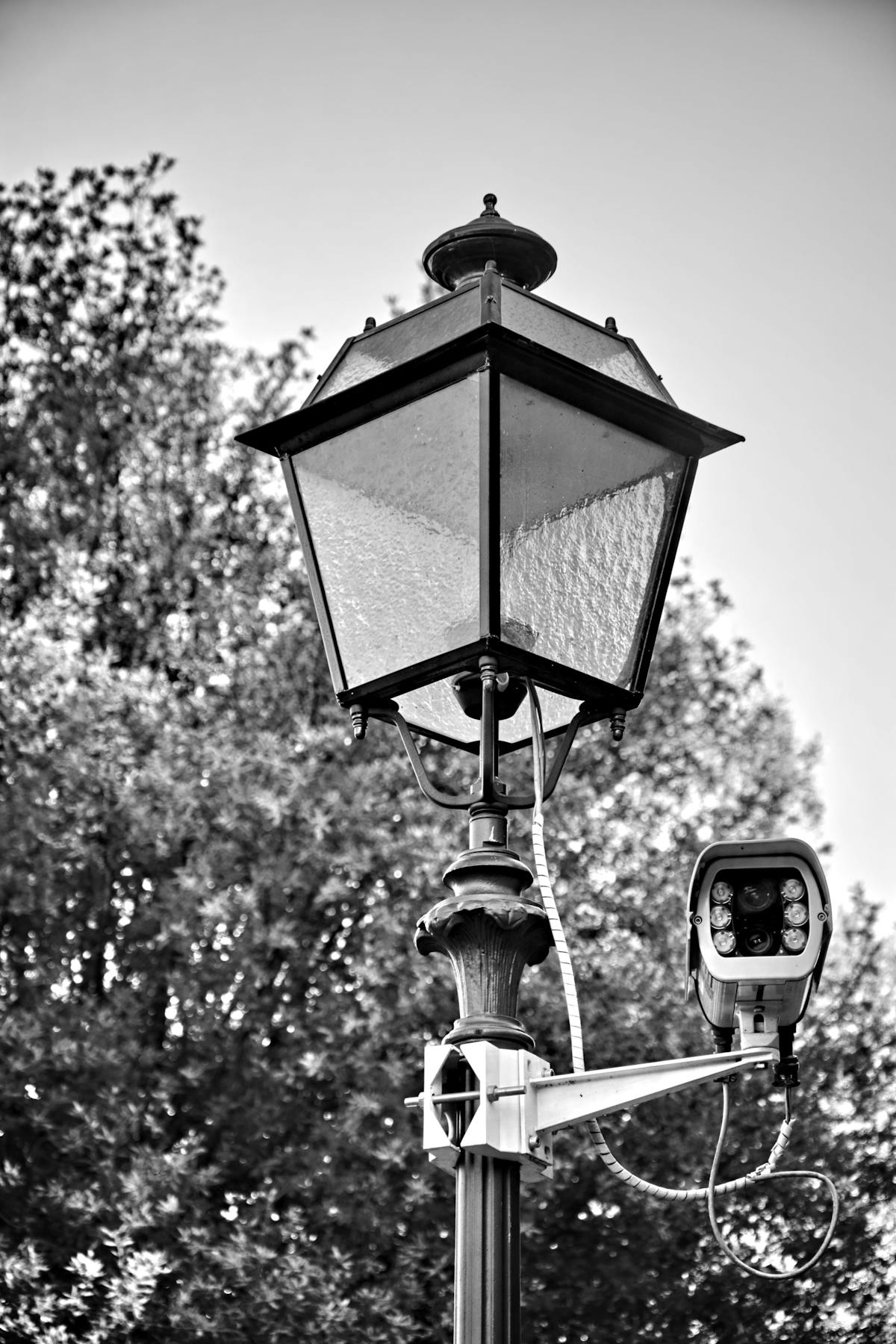

Outdoor security camera installation is the process of mounting, wiring, and configuring weatherproof cameras on building exteriors to monitor perimeters, driveways, yards, and entry points exposed to weather, wildlife, and changing light conditions. Outdoor cameras serve as the first layer of property surveillance — capturing activity before anyone reaches a door or window. Professional installation addresses challenges unique to exterior environments: UV exposure, rain, temperature swings, long cable runs, and infrared performance in total darkness. A typical residential outdoor installation covers 4–6 exterior positions and costs $200–$500 per camera depending on mounting height, cable routing complexity, and weatherproofing requirements. Whether you need coverage for a single driveway or a full commercial perimeter, professional outdoor installation ensures every camera is sealed against the elements, aimed for maximum field of view, and recording reliably around the clock.
What Is Outdoor Security Camera Installation?
Outdoor security camera installation is the mounting and configuration of weatherproof cameras on building exteriors, perimeters, driveways, and yards to monitor outdoor areas exposed to weather, wildlife, and varying light conditions. Unlike indoor cameras, outdoor units must withstand rain, snow, dust, direct sunlight, and temperature extremes ranging from -30F to 130F depending on the region.
Professional outdoor installation includes five core steps:
- Site survey — Identify vulnerable exterior zones, measure distances for lens selection, assess existing lighting, and evaluate mounting surfaces (siding, brick, stucco, concrete, soffit).
- Camera and housing selection — Match IP-rated weatherproof cameras to each location based on coverage distance, environmental exposure, and vandal risk.
- Mounting and cable routing — Secure cameras at optimal heights (8–12 feet for residential, 12–20 feet for commercial), run PoE or power cables through exterior walls or conduit, and seal all penetrations against moisture.
- Configuration — Set resolution, frame rate, infrared sensitivity, motion detection zones, and recording schedules tailored to outdoor conditions.
- Testing — Verify daytime and nighttime image quality, confirm weatherproof seals, and validate remote access from the client’s devices.
Outdoor cameras differ from indoor models in three key areas: IP weather ratings (IP66 or IP67 minimum), infrared or starlight sensors for low-light performance, and ruggedized housings built to resist impact and corrosion.
Why Outdoor Camera Coverage Is Critical
Outdoor security cameras provide the earliest possible detection of threats — capturing suspicious activity at the property boundary rather than inside the building. Studies from the Urban Institute and Rutgers University have found that visible surveillance cameras reduce property crime by 13–50% in monitored areas. Here is why exterior coverage is essential.
First Line of Defense — Deterring Intruders at the Perimeter
Visible outdoor cameras deter burglars before they attempt entry. Research published by the University of North Carolina at Charlotte found that 60% of convicted burglars said they would choose a different target upon seeing surveillance cameras. Perimeter cameras positioned at fence lines, gates, and property boundaries create a psychological barrier that stops many crimes before they start. A camera mounted at the edge of a property provides 10–30 seconds of additional warning compared to cameras placed only at doors and windows.
Capturing Evidence Before Entry Occurs
Outdoor cameras record suspects approaching the property — their vehicle, clothing, gait, direction of travel, and any tools they carry. This pre-entry footage is often more useful to law enforcement than indoor footage because it captures faces before suspects cover them and vehicles before they are parked out of frame. Cameras with 2K or 4K resolution at exterior positions produce identification-quality images at distances up to 30–50 feet.
Monitoring Driveways, Deliveries, and Vehicles
Driveway and front-yard cameras track package deliveries, visitor arrivals, and vehicle activity. Package theft (porch piracy) affects an estimated 49 million Americans annually, and a visible camera covering the porch and walkway is the single most effective deterrent. Driveway cameras also document hit-and-run damage, unauthorized parking, and delivery driver behavior — footage that proves valuable for insurance claims and disputes.
Covering Blind Spots (Side Yards, Back Fences, Garages)
Side yards, rear fences, and detached garages are the most common unmonitored zones on residential properties. Burglars frequently enter through side gates and back doors specifically because these areas lack visibility from the street and from neighbors. Installing cameras at side-yard passages, rear fence gates, and detached structures eliminates the blind spots that intruders rely on. A single bullet camera with a 2.8mm wide-angle lens covers a typical 15–20 foot side yard from end to end.
Best Outdoor Camera Types and Features
Outdoor camera selection depends on the specific location, coverage distance, and environmental exposure. Each form factor is engineered for distinct exterior scenarios.
| Camera Type | Best Outdoor Use | Weather Rating | Typical Range | Key Advantage |
|---|---|---|---|---|
| Bullet | Long-range — driveways, perimeters, fence lines | IP67 | 60–130 ft | Extended focal length for narrow, deep coverage |
| Dome (Vandal-Proof) | Entrances, soffits, overhangs | IP66–IK10 | 30–80 ft | Tamper-resistant housing; discreet profile |
| PTZ | Parking lots, large yards, commercial perimeters | IP66 | 150–500 ft (with zoom) | Motorized pan-tilt-zoom for active tracking |
| Turret | General outdoor — all-around residential and commercial use | IP67 | 30–100 ft | No IR reflection from dome cover; flexible aim |
IP ratings explained: IP66 means the camera is fully protected against dust ingress and powerful water jets. IP67 adds protection for temporary submersion (up to 1 meter for 30 minutes). IK10 is a separate impact resistance rating indicating the housing can withstand 20 joules of force — equivalent to a 5 kg weight dropped from 40 cm.
Before installing outdoor cameras, property owners should also understand applicable security camera laws regarding placement, neighbor privacy, and audio recording. Outdoor cameras should include infrared (IR) LEDs with a minimum range of 100 feet, or starlight sensors (0.001 lux) for color imaging in near-darkness. Wide Dynamic Range (WDR) is essential for exterior cameras that face sunlit areas alongside shaded zones, preventing blown-out highlights and dark shadows in the same frame.
Optimal Outdoor Camera Placement Positions
Strategic camera placement eliminates blind spots and maximizes the usable footage captured at each position. The following locations cover 90–95% of residential and commercial exterior vulnerabilities.
Front Door and Porch Area
Front door cameras should be mounted 8–10 feet above ground level, angled slightly downward to capture faces rather than the tops of heads. A turret or dome camera with a 2.8mm lens provides a 100–110 degree field of view — wide enough to cover the full porch, walkway, and top of the front steps. Position the camera to the side of the door rather than directly above it to get a clear facial angle as visitors approach.
Driveway and Garage
Driveway cameras require a longer focal length (4mm–6mm) to capture license plates and vehicle details at 30–60 feet. Bullet cameras are the standard choice for this position due to their narrow, deep field of view. Mount the camera at the garage eave or on a pole at the end of the driveway, aimed toward approaching vehicles. For attached garages, add a second camera inside the garage facing the door to capture activity when the door is open.
Back Yard and Rear Entrance
Rear cameras cover the back door, patio, and yard perimeter. A turret camera mounted under the roofline at 10–12 feet captures the full back yard in properties up to 50 feet deep. Back doors are the second most common entry point for residential burglaries, making this position critical. If the yard is deeper than 50 feet, install a second camera at the far fence line aimed back toward the house.
Side Gates and Fence Line
Side-yard cameras cover narrow passages between homes — a common entry route for intruders moving from the front yard to the back. A single bullet or turret camera with a 2.8mm wide-angle lens mounted at the front corner of the house and aimed down the side yard covers the full passage. Mount height of 8–10 feet prevents easy tampering. Fence-line cameras are especially important for properties with alley access or shared fences.
Parking Lots and Loading Docks (Commercial)
Parking lot cameras require PTZ units or high-resolution fixed cameras (4K minimum) with varifocal lenses to cover large areas. Mount cameras on 15–20 foot poles or building corners to capture full lanes and vehicle movement. Loading dock cameras should be positioned to record both the dock door interior and the exterior truck approach. License plate recognition (LPR) cameras with narrow fields of view and high shutter speeds are recommended for vehicle entry and exit points. Commercial outdoor installations often integrate with access control and alarm systems for a unified security camera installation solution.
Outdoor Installation Challenges and How We Solve Them
Exterior installations introduce environmental and structural challenges that do not exist with indoor camera work. Each challenge has a proven solution that professional installers apply as standard practice.
Running Cables to Exterior Locations
PoE cable runs to outdoor cameras often span 50–200 feet, crossing through attic spaces, exterior walls, and soffits. Professional installers route cables through the attic to the nearest exterior wall, drill a downward-angled hole to prevent water infiltration, and seal the penetration with silicone or outdoor-rated weatherproof bushings. For cameras mounted far from the building — on poles, detached garages, or fence posts — cable is run through underground conduit (typically 3/4-inch PVC buried 12–18 inches deep). Runs exceeding 328 feet (the PoE maximum) require a midspan PoE extender or a fiber optic conversion.
Weatherproofing Connections and Mounts
Every exterior cable connection point is a potential water intrusion risk. Professional installation includes weatherproof junction boxes at each camera location, silicone-sealed cable entries, and drip loops that prevent water from traveling along the cable into the junction box. Camera mounting brackets are secured with stainless steel or galvanized hardware to prevent rust. On stucco and EIFS surfaces, installers use mounting blocks that maintain the building envelope’s water resistance. All cable runs exposed to sunlight are enclosed in UV-rated conduit to prevent jacket deterioration.
Night Vision and Low-Light Optimization
Outdoor cameras must produce usable footage in total darkness. Infrared (IR) LEDs are the standard solution, projecting invisible light that the camera sensor detects. Professional installers position cameras to avoid IR reflection from nearby walls, overhangs, and windows — a common cause of washed-out night images in DIY installations. Camera aim is adjusted so the IR beam covers the target zone without hitting reflective surfaces within 3 feet of the lens. For properties that require color night vision, starlight cameras with large image sensors (1/1.8-inch or larger) capture full-color footage using ambient light from street lamps, porch lights, or moonlight.
WiFi Range for Wireless Outdoor Cameras
Wireless outdoor cameras depend on stable WiFi signal strength at the mounting location. Standard home routers provide reliable coverage to about 50–100 feet through one exterior wall. Cameras mounted beyond that range experience dropped connections, reduced resolution, and delayed motion alerts. Professional installers solve this by deploying outdoor-rated WiFi access points or mesh network nodes positioned to serve the camera locations directly. For properties where wireless is the only option and distances exceed 150 feet, point-to-point wireless bridges provide dedicated bandwidth between the camera and the network without competing with household WiFi traffic.
Outdoor Camera Installation Cost
Outdoor camera installation averages $200–$500 per camera, with costs increasing for high-mount locations, long cable runs, or conduit requirements. Property owners planning a project should review the full security camera installation cost guide for detailed pricing across all scenarios. Outdoor installations consistently cost more than indoor projects due to weatherproofing materials, exterior-rated hardware, and the additional labor involved in sealing penetrations and running conduit.
| Cost Factor | Standard Outdoor Install | Complex Outdoor Install |
|---|---|---|
| Labor per camera | $100–$200 | $200–$350 |
| Camera equipment | $100–$300 | $300–$800 |
| Weatherproof junction box | $10–$25 | $10–$25 |
| Conduit (per 50 ft run) | $0 (attic route available) | $75–$150 |
| Underground cable burial | N/A | $3–$6 per linear foot |
| Pole mount (if needed) | N/A | $150–$400 |
| Total per camera | $200–$500 | $500–$1,500 |
Standard outdoor installations involve cameras mounted on the building exterior (soffits, eaves, fascia, or walls) with cable routed through the attic. Complex installations include pole-mounted cameras, underground conduit runs, detached structure coverage, and commercial high-mount positions requiring a lift or ladder above 20 feet. For a full breakdown of installation pricing across all camera types, see our security camera installation services page.
Schedule Your Outdoor Camera Installation
Request a free outdoor camera installation quote by filling out the form below or calling our local number. We respond within 24 hours with a custom estimate based on your property layout and coverage needs. Every outdoor installation begins with a free on-site assessment where a technician walks the property perimeter, identifies the camera positions that provide maximum coverage, and delivers a written proposal with itemized equipment and labor costs. No work begins until you approve the plan and pricing.
Best Camera Placement Tips for Maximum Coverage
Camera placement determines whether your system captures clear, usable footage or produces recordings full of blind spots and obstructed angles. Proper height, lens selection, and aim angle vary by location — and small adjustments at the time of installation make a significant difference in footage quality months later. For a detailed guide covering placement strategy for every area of your property, read our complete resource on best security camera placement tips.