
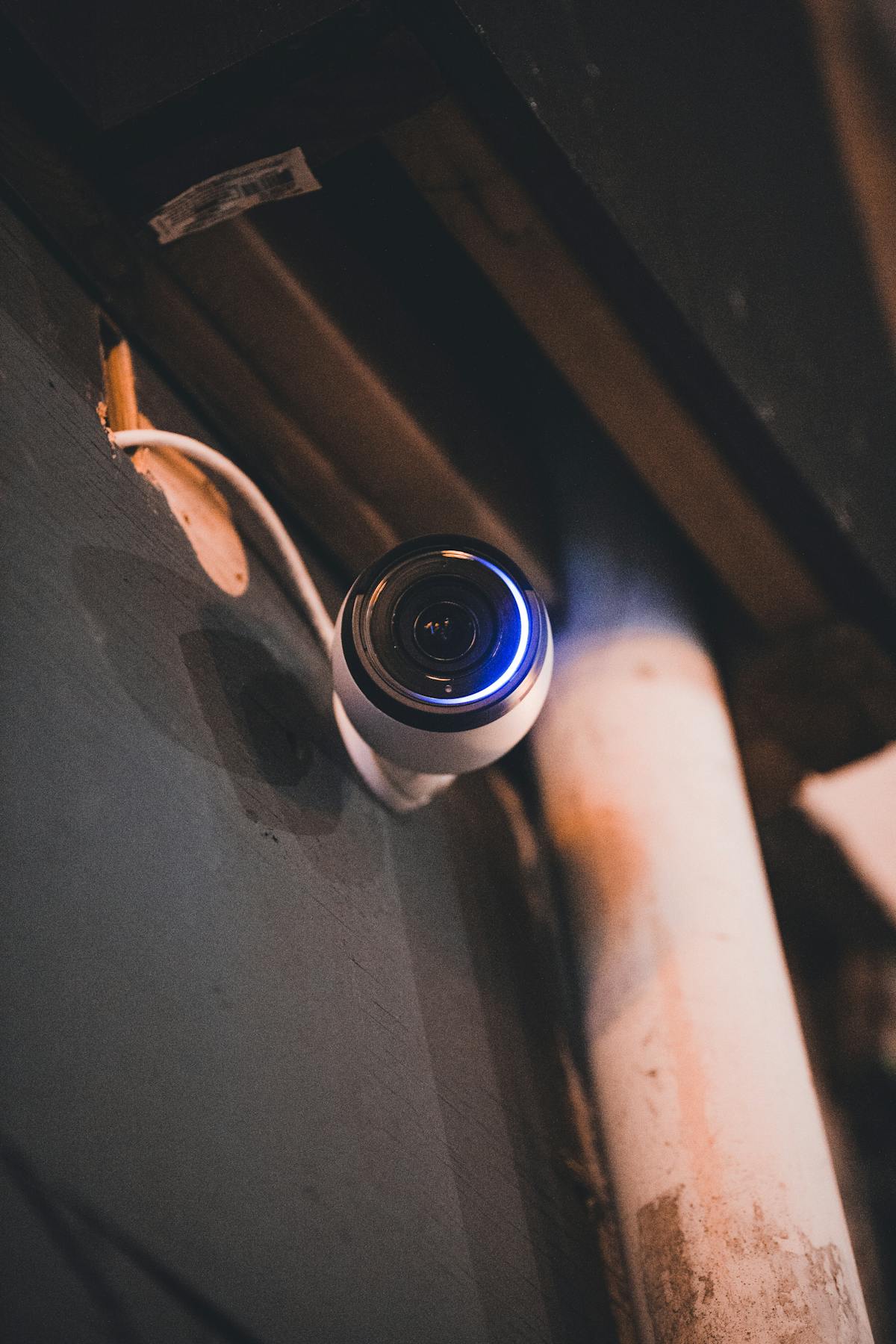

License plate recognition camera installation positions specialized cameras at vehicle entry and exit points to automatically capture, read, and log every license plate — with dedicated LPR units costing $500–$2,500 per camera and full entry/exit systems running $2,000–$8,000 installed. LPR cameras combine high-shutter-speed imaging, infrared illumination, and optical character recognition software to read plates on vehicles traveling up to 120 mph, day or night. Property managers, HOA boards, law enforcement partners, and fleet operators use LPR to automate access control, flag vehicles of interest, and maintain searchable plate databases. Professional installation is critical because LPR cameras require precise angle calculations and gate integration that standard cameras do not demand.
What Are License Plate Recognition (LPR) Cameras?
License plate recognition cameras are specialized surveillance cameras engineered to capture and interpret vehicle license plates under real-world conditions. LPR cameras differ from standard security cameras in three ways: narrow fields of view optimized for the plate region, high shutter speeds that freeze motion blur at highway speeds, and onboard or server-based OCR software that converts plate images into searchable text within seconds.
Dedicated LPR cameras ship with built-in infrared LEDs that illuminate plates without visible light, making them effective around the clock. The camera captures each plate image, the OCR engine extracts the characters, and the software logs the plate number with a timestamp and reference image for cross-referencing against watchlists, permit databases, or historical records.
LPR technology originated in UK law enforcement during the 1970s and has since expanded into parking management, gated community access control, toll collection, and retail loss prevention. Modern LPR cameras achieve read accuracy above 95% under properly controlled installation conditions.
How LPR Camera Technology Works
License plate recognition cameras rely on four sequential processes that convert a moving vehicle into a searchable database record.
High-Shutter-Speed Capture for Moving Vehicles
LPR cameras use electronic shutter speeds as fast as 1/10,000 of a second to freeze license plates on vehicles moving at speeds up to 120 mph. Standard surveillance cameras produce motion-blurred images that make plate characters unreadable at even moderate speeds. Dedicated LPR units automatically adjust shutter speed based on vehicle velocity, ensuring crisp character edges whether a car is idling at a gate or passing at 25 mph.
Infrared Illumination for Night Plate Reading
Infrared LED arrays built into LPR cameras project 850nm or 940nm light invisible to the human eye but highly reflective off the retroreflective coating on license plates. Retroreflective material — required on plates in every U.S. state — bounces infrared light back to the sensor, producing a high-contrast image of plate characters against a dark background. Infrared illumination eliminates dependency on streetlights or ambient light, making nighttime reads as reliable as daytime captures.
OCR (Optical Character Recognition) Processing
Optical character recognition software analyzes each captured plate image, isolating individual characters and matching them against trained font libraries for all 50 U.S. state plate designs. The OCR engine accounts for variations including specialty plates, damaged plates, and plates with frames that partially obscure characters. Processing occurs onboard the camera or on a central server, with most modern systems returning a read in under 500 milliseconds.
Database Matching and Alert Triggers
Database matching software compares each recognized plate against one or more watchlists in real time. A parking system checks plates against a permitted-vehicle list and denies gate access to unrecognized plates. A law enforcement-linked system flags plates associated with stolen vehicles, expired registrations, or outstanding warrants. Alert triggers activate audible alarms, push notifications, automatic gate locks, or integration with a broader business security camera installation platform.
Common Uses for LPR Cameras
LPR cameras serve distinct functions depending on the property type and the operational goal behind plate tracking.
| Use Case | Location | Key Benefit |
|---|---|---|
| Parking lot management | Commercial lots, garages | Automated entry/exit logging without tickets or attendants |
| HOA / gated community | Community entrances | Resident vs. visitor identification with automatic gate triggers |
| Law enforcement support | Public roads, businesses | Real-time vehicle-of-interest alerts and historical plate searches |
| Fleet management | Depots, warehouses | Tracking vehicle arrivals, departures, and dwell times |
| Retail loss prevention | Store parking lots | Linking license plates to theft incidents across multiple locations |
Parking lot management represents the largest commercial LPR market segment, replacing manual ticketing with automated plate-based time tracking. HOA and gated community installations are the fastest-growing residential segment, with boards deploying LPR at community entrances to log every vehicle entering and exiting the neighborhood. Communities considering LPR alongside general surveillance should review applicable security camera laws governing vehicle tracking and data retention.
Retail loss prevention teams use LPR to connect plate numbers to organized retail crime incidents across multiple locations, alerting staff when a flagged plate reappears at any store in the chain.
LPR Camera Installation Requirements
LPR cameras demand installation precision beyond standard security camera installation services. Four factors determine whether a system captures plates reliably.
Camera Angle and Distance Calculations
LPR cameras must be mounted at a horizontal angle no greater than 30 degrees and a vertical angle no greater than 30 degrees relative to the license plate plane. Exceeding these angles distorts plate characters and drops OCR accuracy below usable thresholds. Optimal capture distance varies by model but typically falls between 15 and 90 feet. Installers calculate mounting height, pole offset, and lane geometry to ensure every vehicle passes through the capture window.
- Horizontal angle: 30 degrees maximum from the vehicle’s direction of travel
- Vertical angle: 30 degrees maximum tilt from the plate surface
- Capture zone: a focused lane area typically 8–12 feet wide
- One camera per lane is standard; dual-lane entrances require two units
Dedicated LPR Camera vs. Standard Camera + Software
Dedicated LPR cameras with built-in IR illumination and onboard OCR deliver the highest plate-read accuracy. Software-based LPR solutions overlaid onto standard IP camera installation systems cost less but produce lower accuracy, particularly at night and in adverse weather. Dedicated units are recommended where missed reads have operational consequences — gate access, billing, or law enforcement alerting.
Network and Storage Requirements for Plate Data
LPR systems generate a database record for every plate read, including the plate image, OCR text, timestamp, and confidence score. A single camera at a busy entrance may log 500–2,000 reads per day, requiring 1–3 GB of daily storage. Edge-processed systems reduce bandwidth to under 1 Mbps per camera.
- Minimum recommended retention: 30 days for commercial, 90 days for law enforcement partnerships
- Storage options: local NVR, dedicated LPR server, or cloud-based platform
- Network: dedicated VLAN recommended to isolate plate data from general traffic
Integration with Access Control Gates
LPR cameras integrated with barrier gates or sliding gates automate vehicle entry without cards, remotes, or keypads. The camera reads the approaching plate, the software checks it against an authorized list, and a relay triggers the gate — all within 1–2 seconds. Integration requires coordination between the LPR software, gate controller relay, and physical gate operator.
LPR Camera Installation Cost
LPR camera systems cost more than standard surveillance cameras due to specialized hardware and precision installation requirements.
| Cost Component | Price Range | Notes |
|---|---|---|
| Dedicated LPR camera (per unit) | $500–$2,500 | Price varies by capture distance range, onboard processing, and IR power |
| LPR software license (per camera) | $0–$500/year | Some cameras include software; others require annual subscriptions |
| Professional installation (per camera) | $200–$500 | Includes mounting, angle calibration, and network configuration |
| Pole or gantry mounting hardware | $150–$600 | Required when no existing structure provides the correct angle |
| Gate integration (per gate) | $300–$800 | Relay wiring, controller configuration, and access list setup |
| Total: single entry/exit setup (2 cameras) | $2,000–$8,000 | Covers two cameras, installation, software, and basic gate integration |
Single-camera installations for simple logging — such as an HOA entrance without gate control — start at $1,000–$1,500 fully installed. For a broader overview of camera system pricing, see our security camera installation cost guide. Multi-lane commercial lots with four or more cameras and gate integrations can exceed $15,000. Ongoing costs include software licensing, cloud storage fees, and annual maintenance to clean IR lenses and verify alignment.
Request a Free LPR Camera Consultation
License plate recognition camera installation requires precise angle calculations, correct hardware selection, and reliable gate or alert integration. A professional LPR installer evaluates your site layout, vehicle speeds, and operational goals before recommending a system. Request a free consultation to receive a custom proposal covering camera placement, software selection, and total cost for your property.
License Plate Recognition Cameras — Growing Use Cases
LPR technology is expanding beyond parking and law enforcement into residential smart-home integration, EV charging station management, and multi-site retail analytics. As hardware costs decrease and cloud-based OCR improves, LPR systems are becoming accessible to smaller businesses and communities that previously could not justify the investment. For a deeper look at where adoption is headed, see our guide on license plate recognition growing use cases.